It is easier to be outraged than to look closely at things. Easier to point at others than to question how we manage our own water bottle, our own pool, our own garden. Above all, it is easier to talk about the water problem than to recognise what water really is: a part of us.
Sixty percent of our bodies are water. The sea we love, the rain that soaks the earth, the groundwater that feeds the wells, the dew that settles on the figs at dawn: it is all the same, water in motion, through us and around us. We are not spectators of this cycle; we are inside it.
Ibiza lives this reality more closely than most places. The Posidonia meadows that keep the sea so clear, the red earth that endures the summer and breathes at last with the first rain, the aquifers that have sustained life on this island for thousands of years. Water and island have shaped each other, long before we even began to wonder how much water was left.
The data are known and they are serious: aquifers far below capacity or already salinised, groundwater contaminated by chemical infiltration, desalination plants working at their limit while dumping hypersaline concentrate into the sea, affecting the Posidonia that depends on a very fragile balance. Climate change has altered the rhythm of water: more intensity, less regularity, drought and sudden floods without giving the soil time to absorb. All of this is a challenge and at the same time an invitation to reflect.
Because when we change our choices, the outcomes change too. Covering a pool when it is not in use reduces evaporation. Choosing native plants reduces the need for irrigation. Moving away from chemicals toward biological systems that keep the water alive. We are not talking about sacrifice but about intelligent decisions.
Caring for water is what sustains all life. Investing in nature-based solutions, as defined in the European Green Deal, meets the demands of tourism while improving ecosystem conditions.
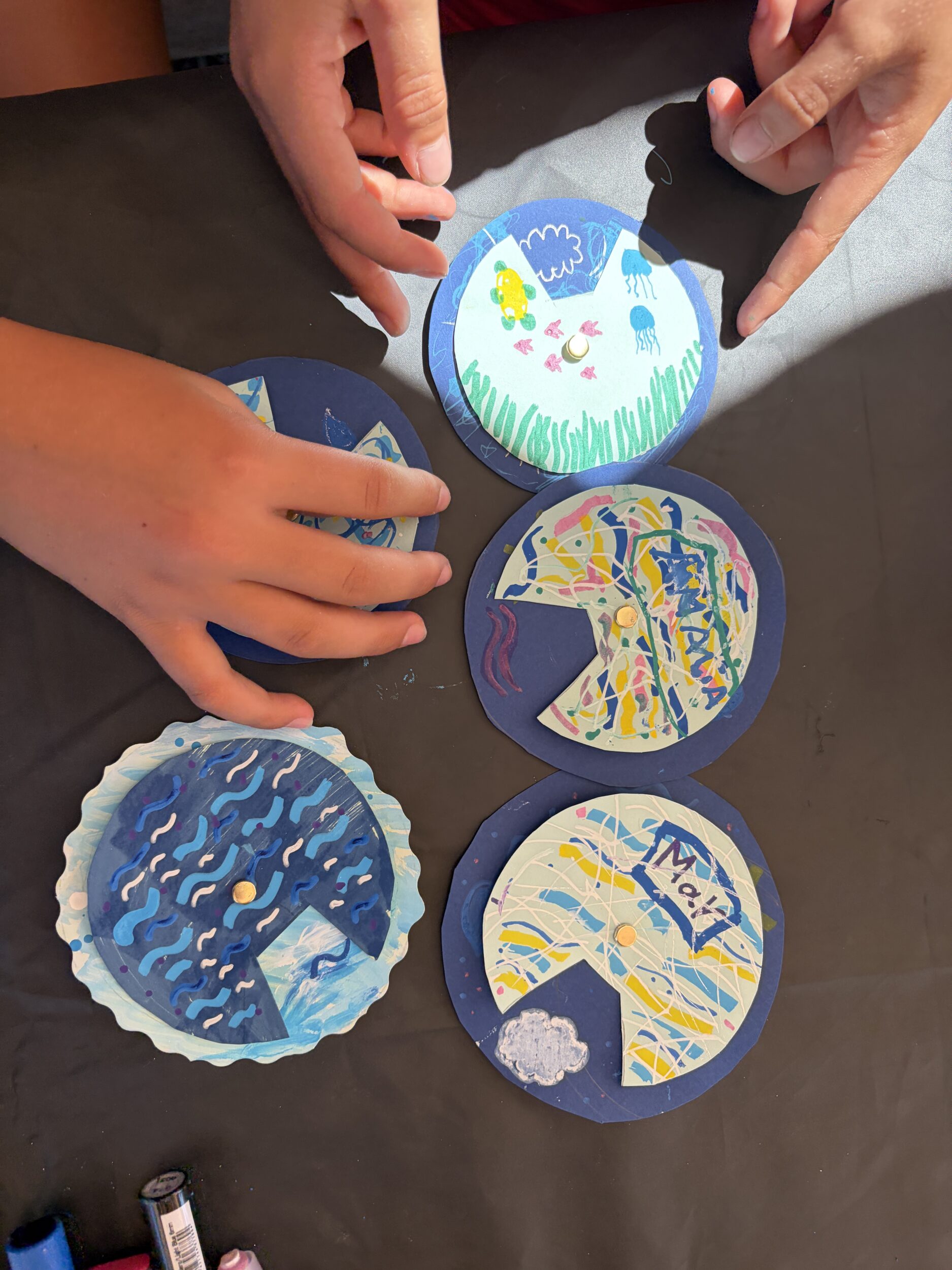
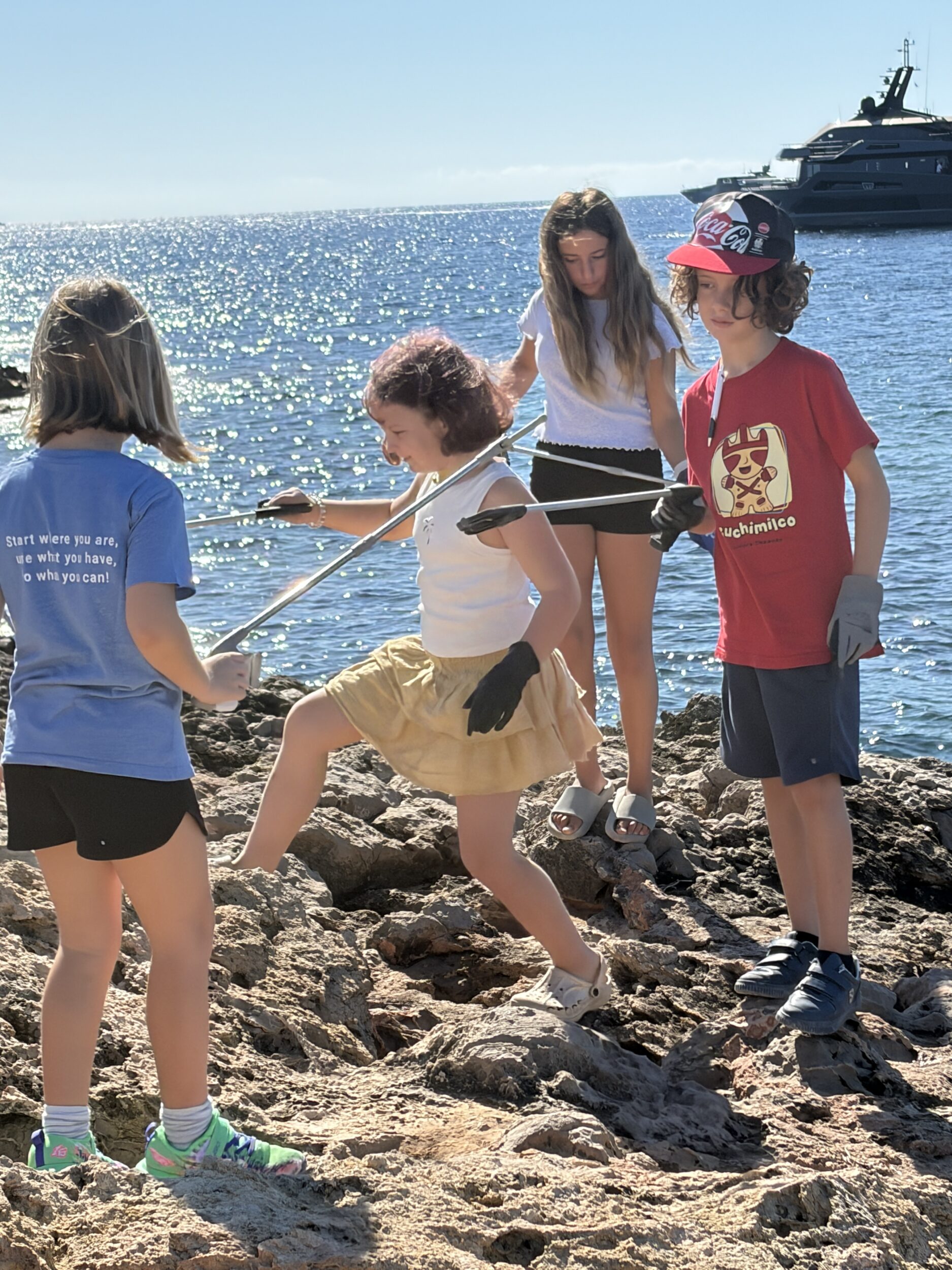
In the workshops Creatives for the Planet ran this summer with girls and boys on the island, we saw that something shifts in the moment when learning becomes feeling. When someone understands that the sea they swim in and the water from the tap are not two different things. That their decisions are also part of the water cycle. This does not change reality, but it does change their attitude. And a different attitude is where everything else begins.
Water does not wait. It keeps moving, through the earth, through the sea, through us. The only question is whether we move with it or stay behind.
Text: Sophia Brucklacher
Thanks to Ibiza Live Report to publish this article.