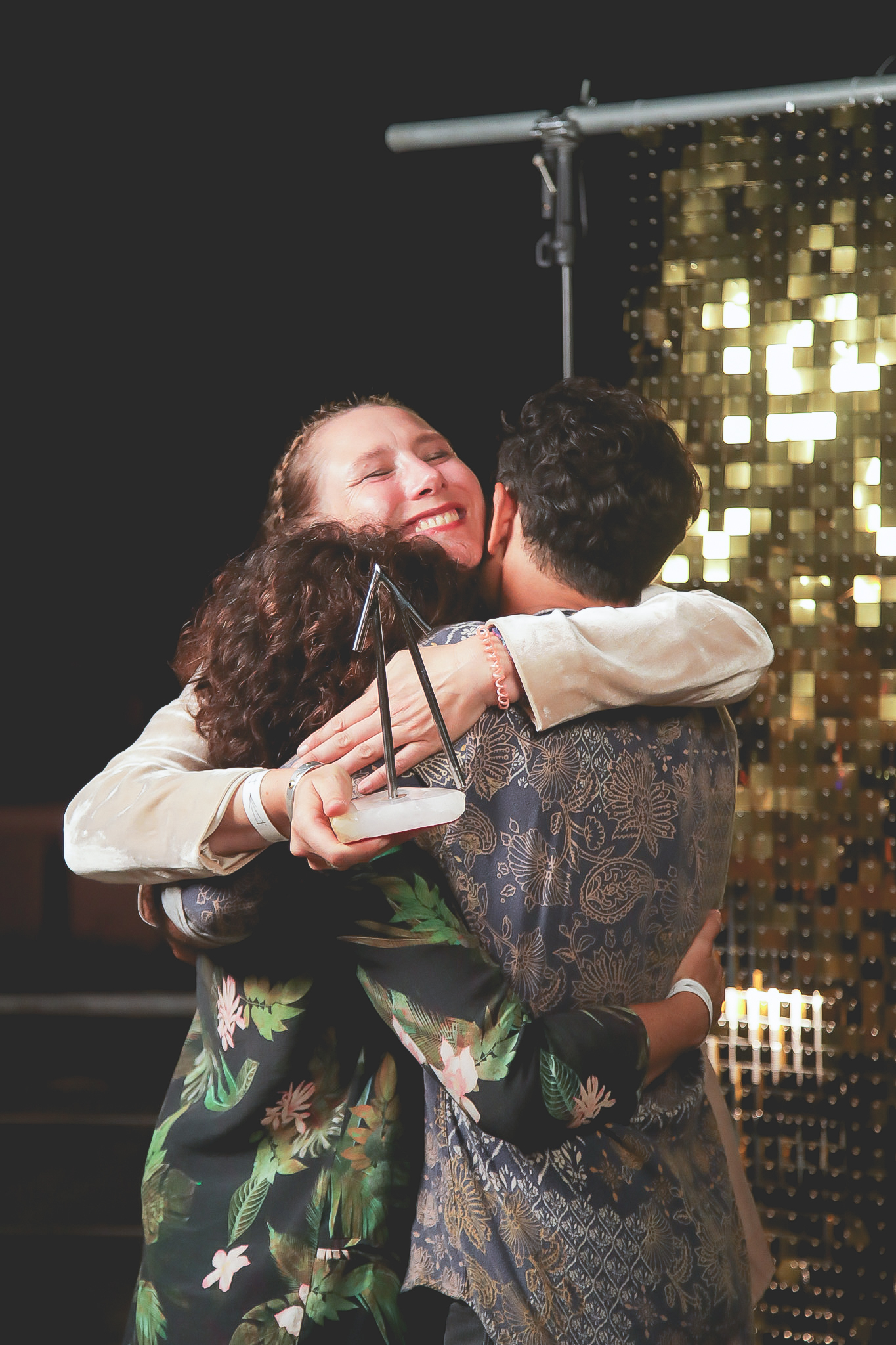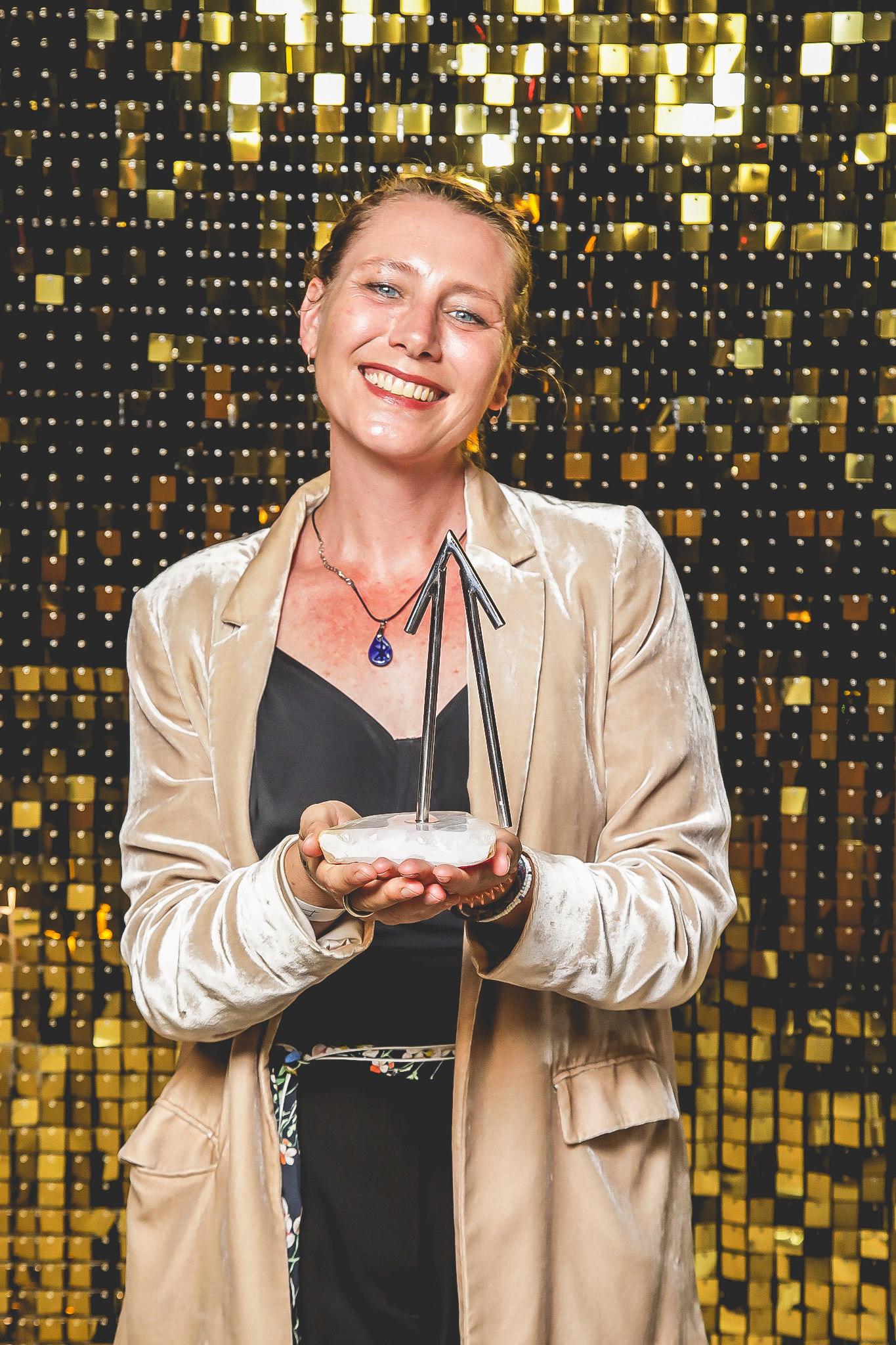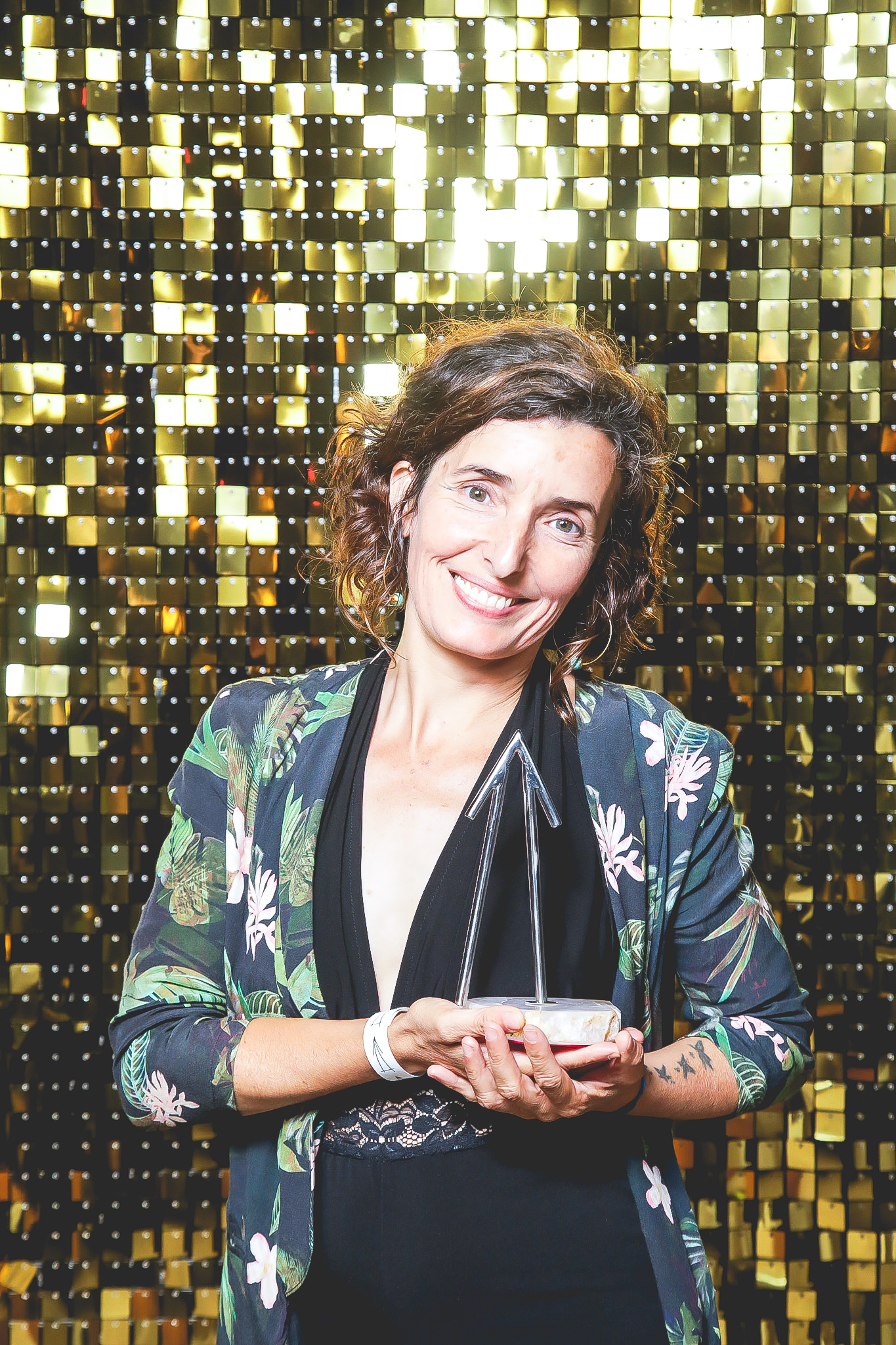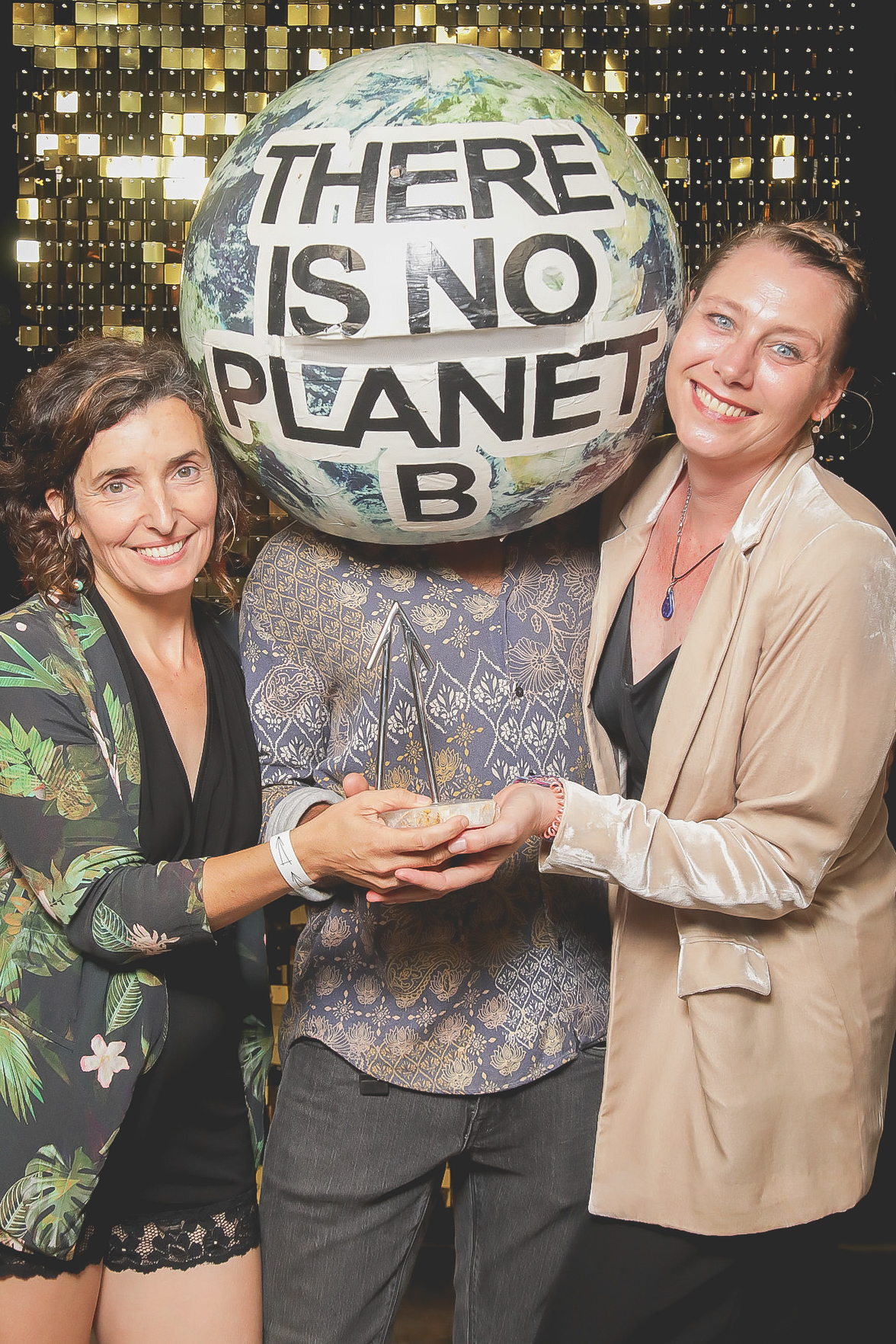

Creatives for the Planet received the Ibiza Award at the Ray of Light Awards 2026. Here is what the night felt like, and what it meant.
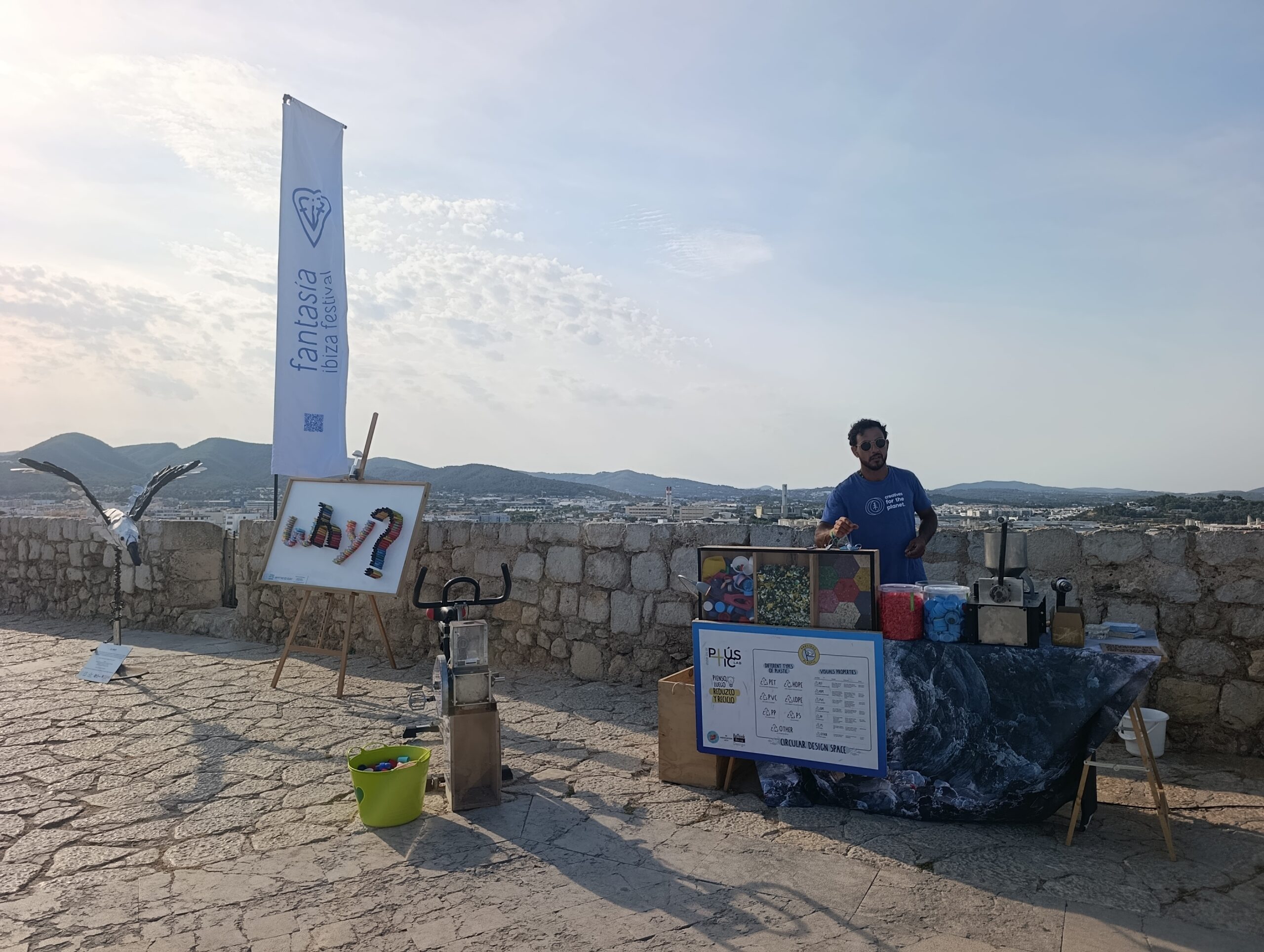
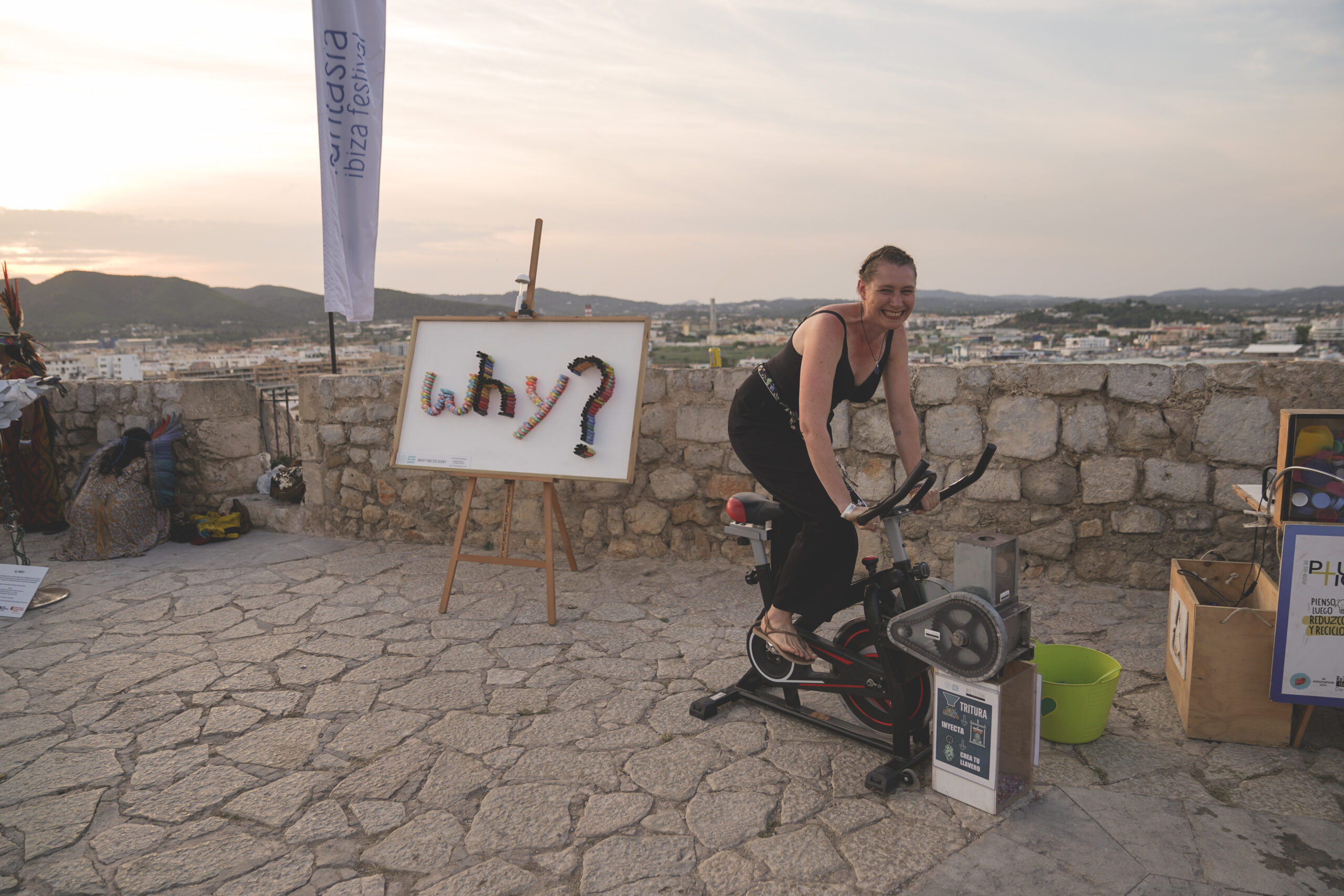
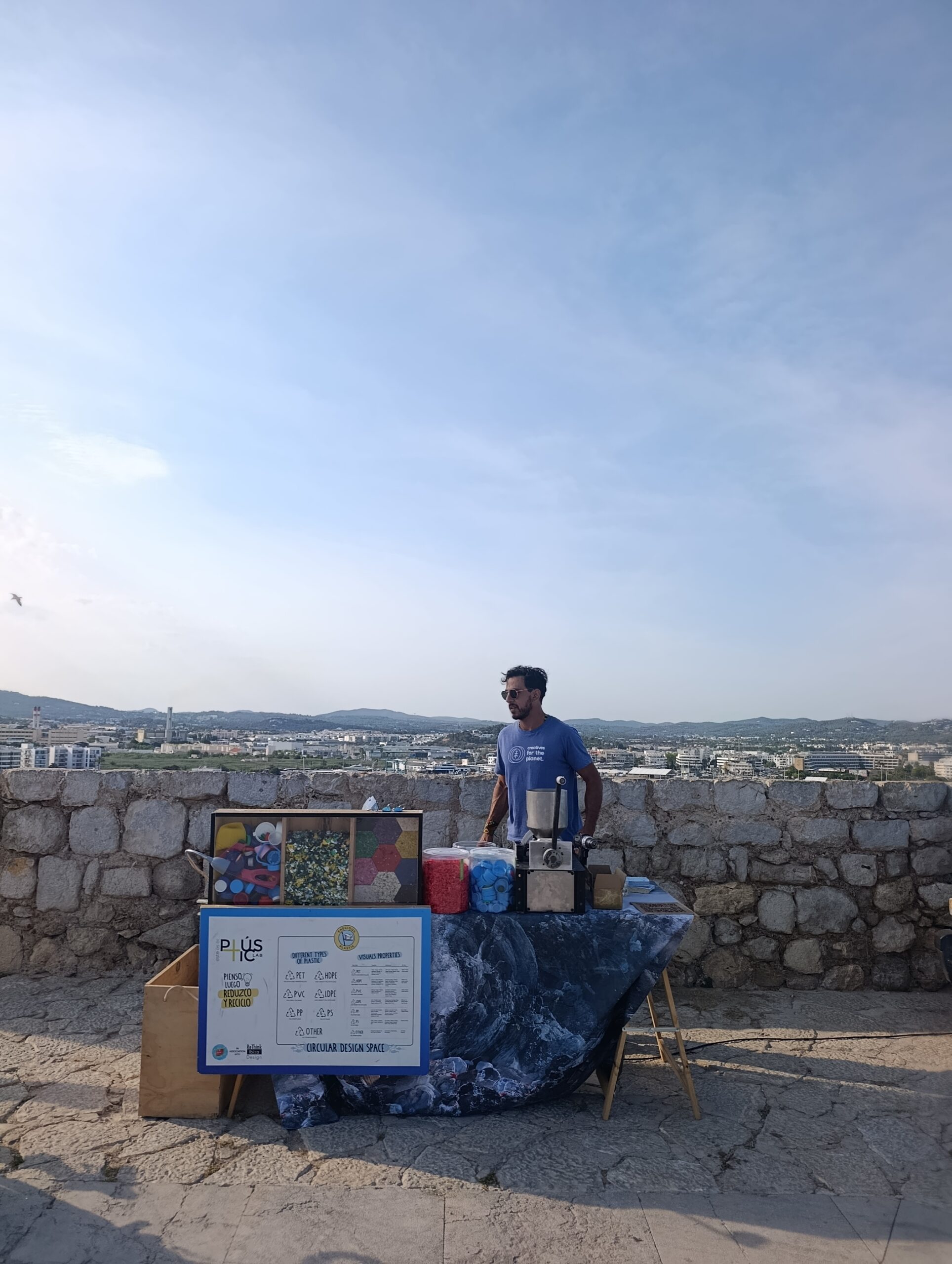
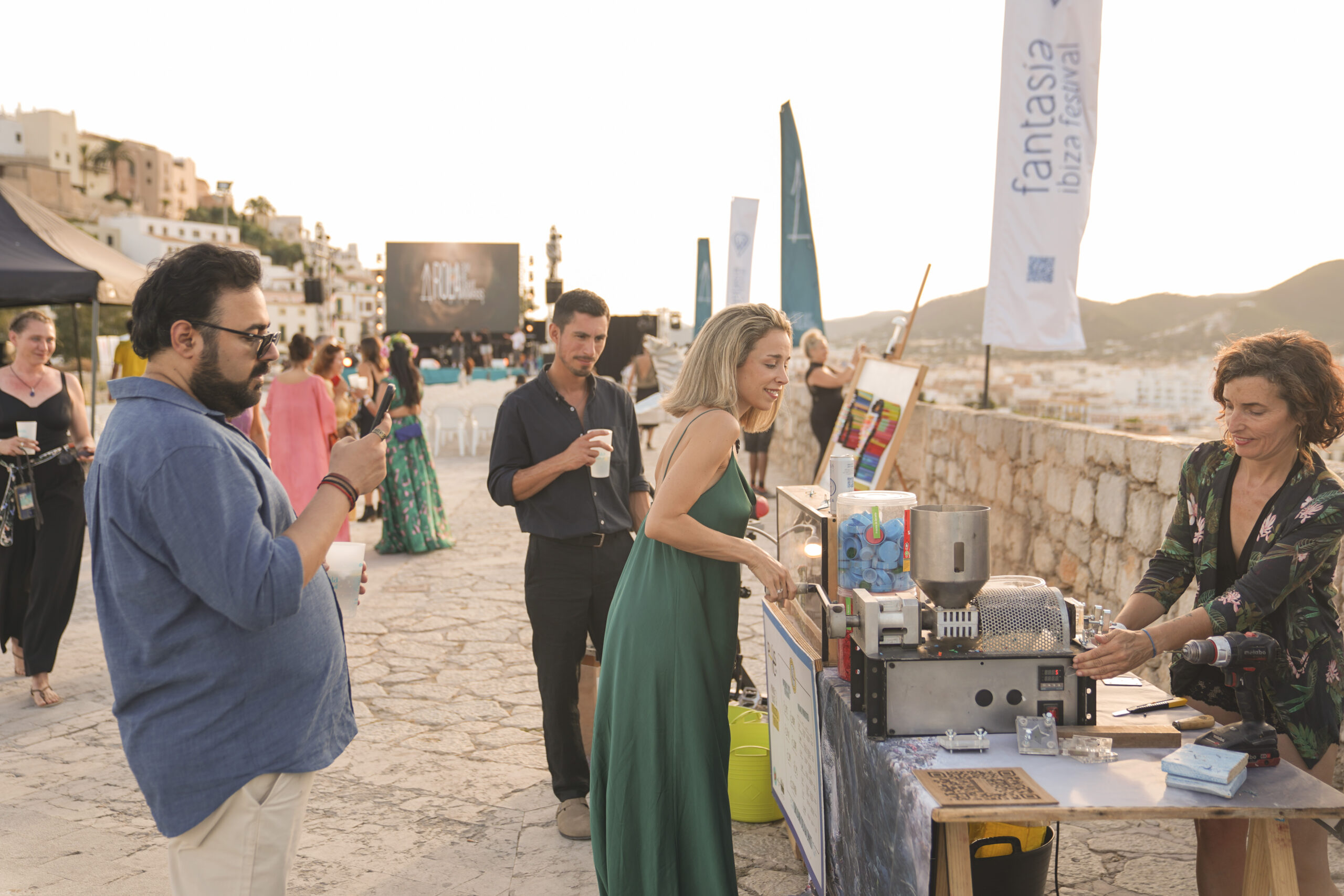
There is something particular about being recognised in the place where you actually do the work. Not at a conference somewhere else, not via email, but on the island itself, at the top of Dalt Vila, inside the walls of the Baluarte de Santa Lucía, under an open sky on a warm May evening.
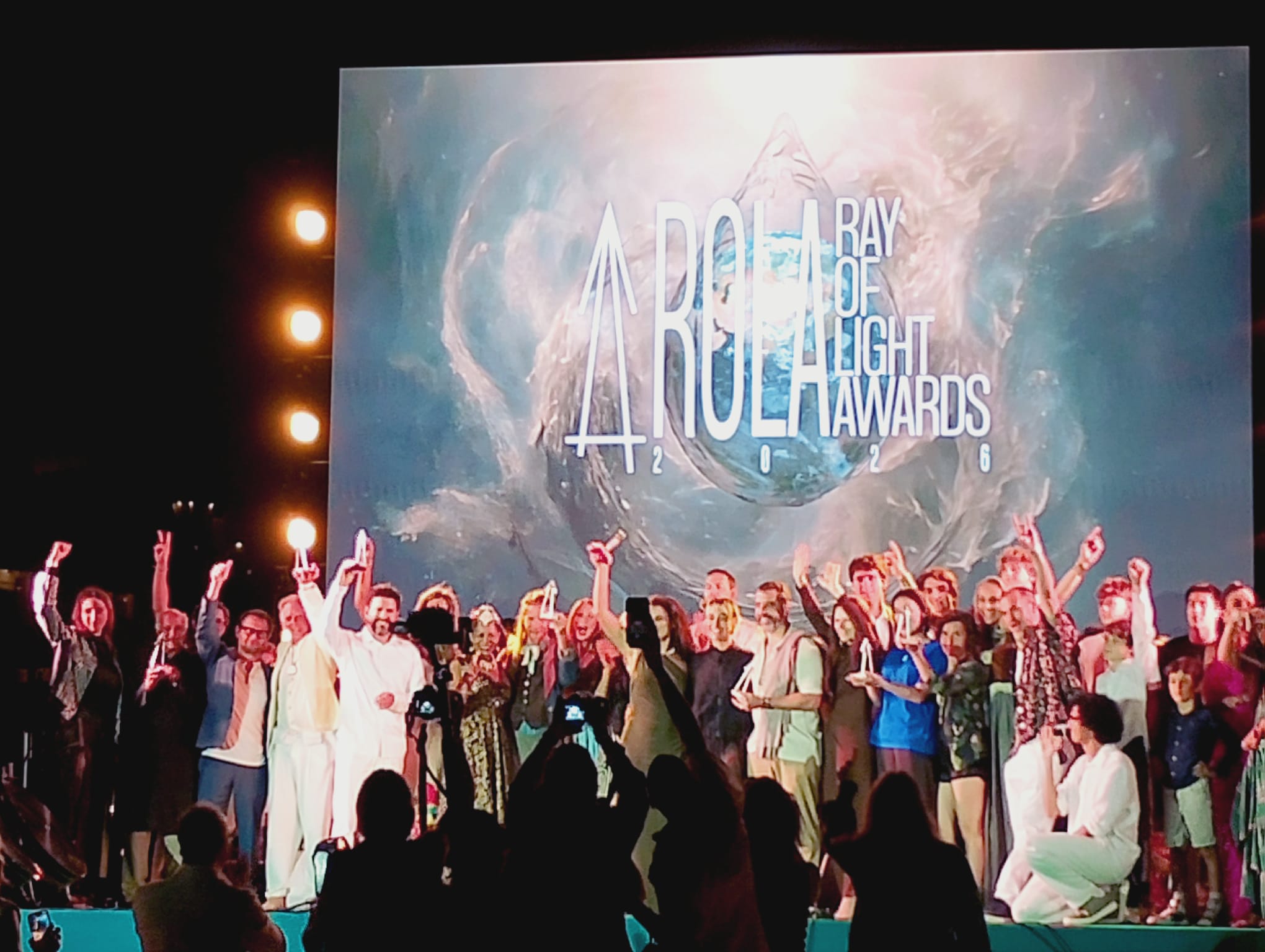
That is where Creatives for the Planet received the Ibiza Award at the third edition of the Ray of Light Awards. And while awards are never the reason we do what we do, this one landed differently.
What ROLA Is
The Ray of Light Awards began as a tribute to the actor Ray Stevenson, who died in 2023 and had deep personal ties to Ibiza. What grew from that origin is something harder to categorise: an international film and arts festival dedicated to storytelling that actively shapes a better world, cinema, music, and multimedia used not for entertainment alone, but as tools for awareness and cultural change.
In its third edition, ROLA expanded to seven days and drew filmmakers, musicians, and creators from around the world. The closing gala took place at the Baluarte de Santa Lucía, a UNESCO World Heritage site perched at the highest point of Ibiza’s old town. It is a setting that does not let you be casual about what you are there to celebrate.
The Ibiza Award is given by nomination only. It honours initiatives born on the island that model new ways of living, projects that embody Ibiza’s spirit of creativity and environmental responsibility in ways that go beyond the island itself. You cannot apply for it. Someone has to believe in your work enough to put your name forward.
How We Got There
That person was Elisabetta Caraccia, Betta, co-founder of ROLA itself. She had come across the work of Creatives for the Planet through Tornem a la Terra, one of our longest-running projects, and something in it stayed with her.
Tornem a la Terra, Return to the Earth, is a documentary series built as a digital ethnographic library of traditional Ibizan knowledge: rural women sharing the crafts, recipes, and land practices that shaped life on this island for generations. Olive oil, esparto weaving, flaó, honey, handmade ceramics. To date, 14 short documentary films recording a world that risks being forgotten. The accompanying educational guides have been distributed to every primary and secondary school on the island, workshops have been run in classrooms across Ibiza, and a mural made from 15,000 recycled plastic caps now stands on the facade of IES Santa María d’Eivissa, honouring the work of these payesas.
Betta saw the project and recognised something she wanted to honour. We are grateful she did.
The Night Itself
What made the evening special was not the award alone, but what surrounded it.
For the first time, we screened our new promotional video on a big screen, years of work distilled into a few minutes, in front of an audience gathered from across the world. There is no rehearsal for that moment. You make something, you believe in it, and then one night it appears in a size and a setting you never quite imagined, and people watch it and are moved. That is part of what this award means to us.
Also shown that night was a recap of Tornem a la Terra, the faces of Ibiza’s rural women, their hands at work, the landscapes of the island’s interior. Seeing it in that context felt like a full-circle moment.
The Ibiza Fantasía Festival hosted the evening, and the gala unfolded with the particular energy that Ibiza generates when it is at its best: international, open, artistic, and rooted in the local.
What It Means
We don’t run beach clean-ups, documentary series, educational workshops, environmental art projects, or children’s books about seahorses because we are waiting for recognition. The island needs the work done whether anyone is watching or not.
The Ibiza Award asks: who is actually doing something for the island? It is a question we take seriously, and being named by nomination means something significant.
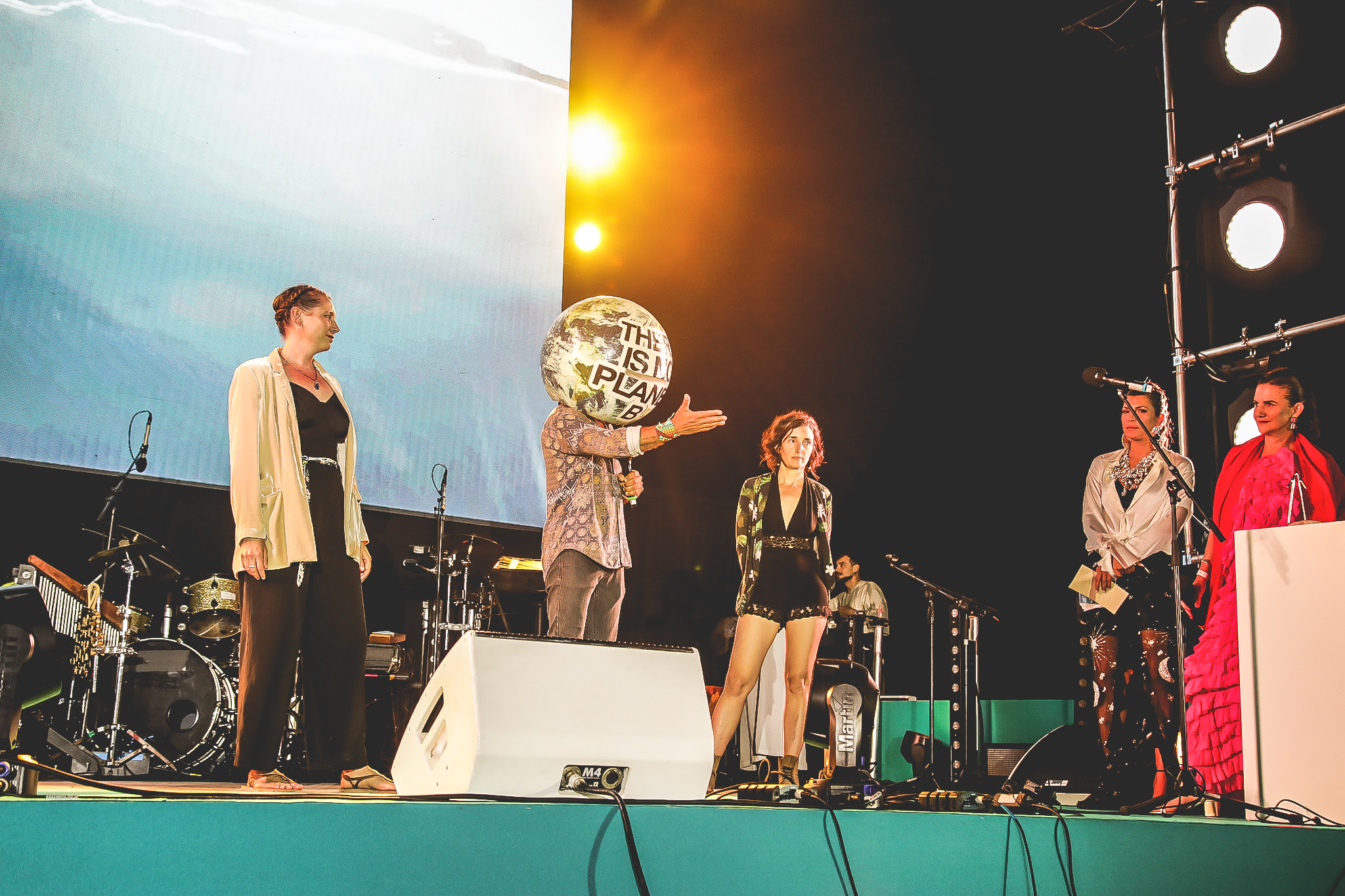
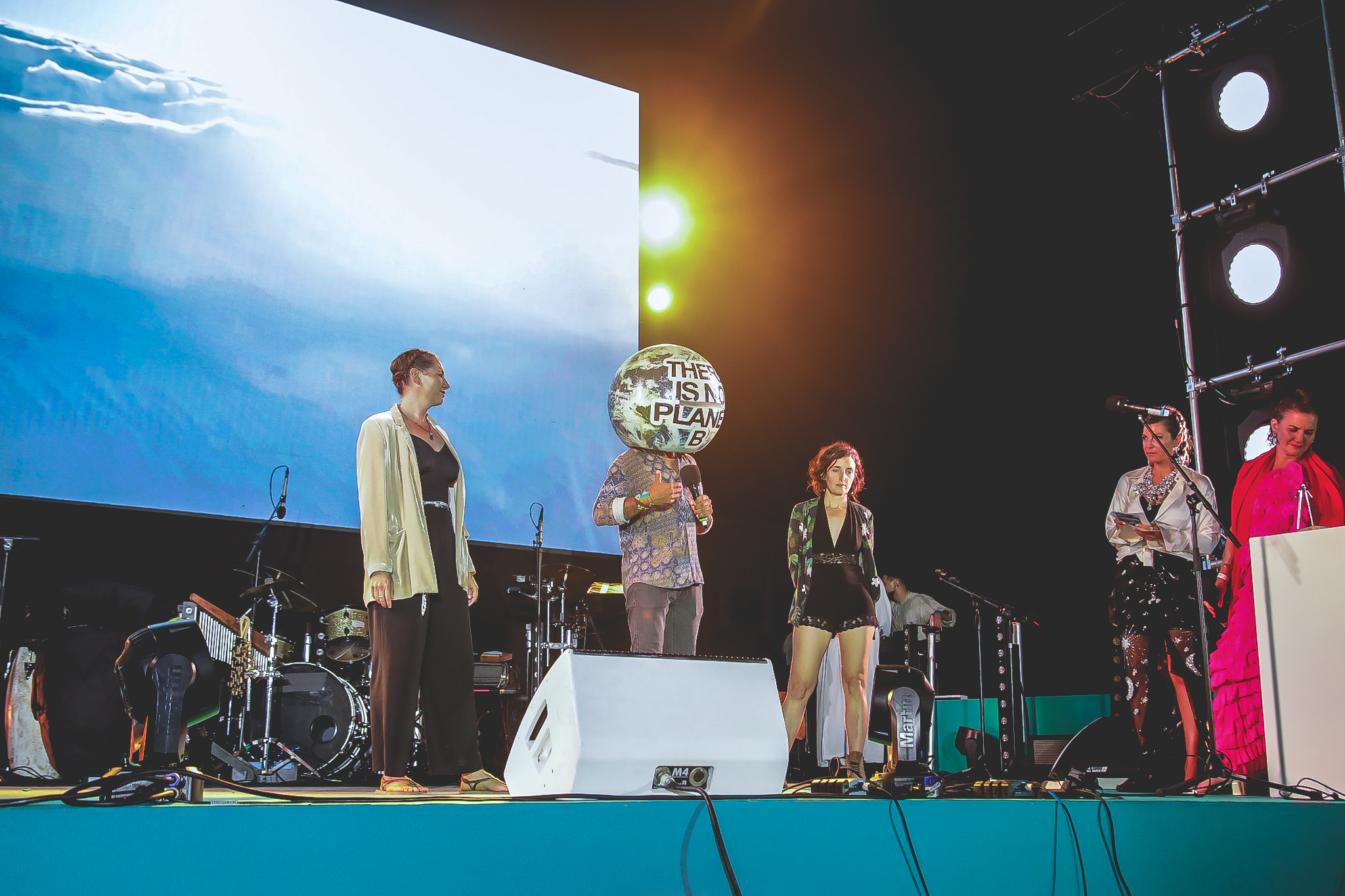
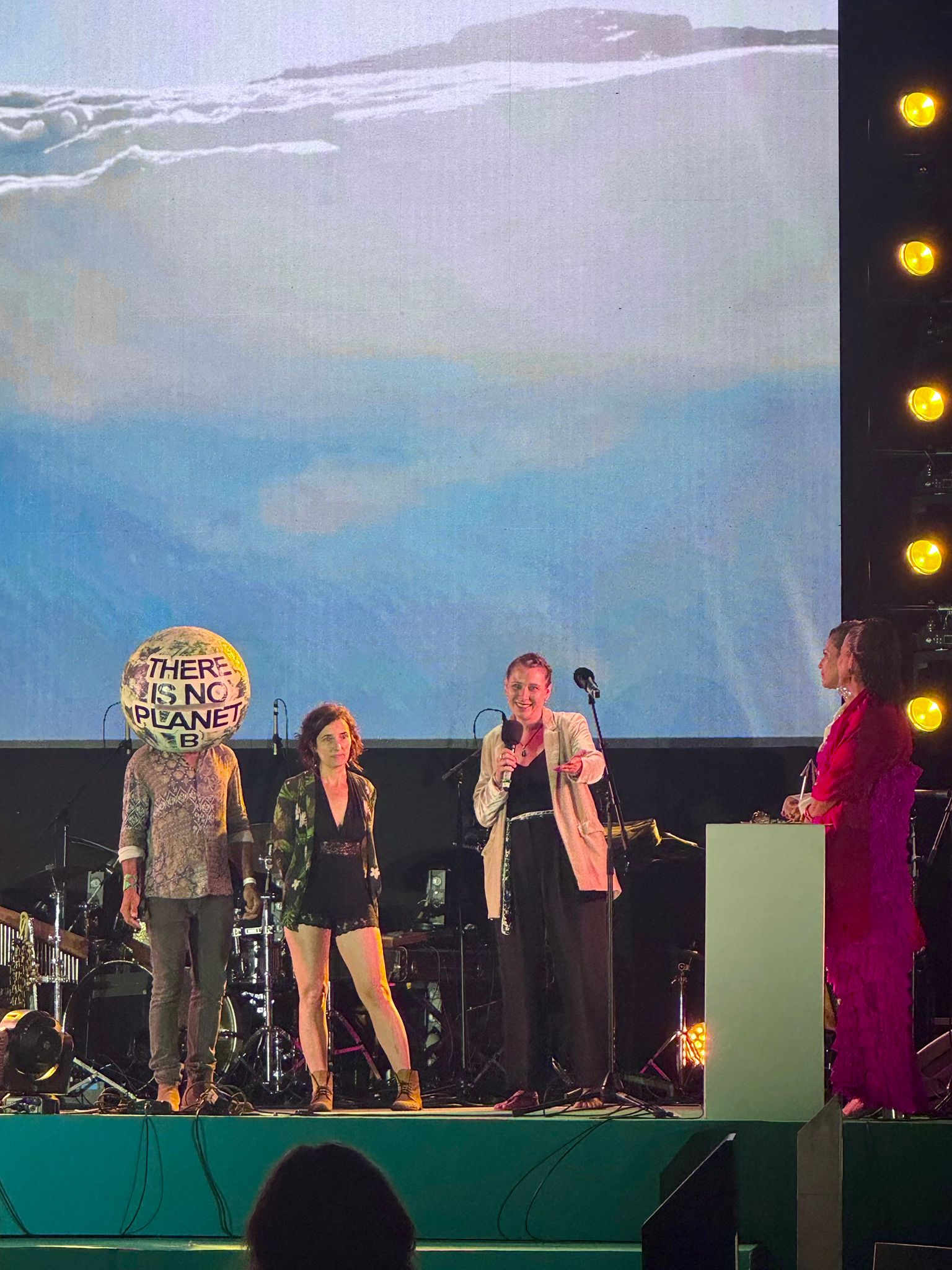
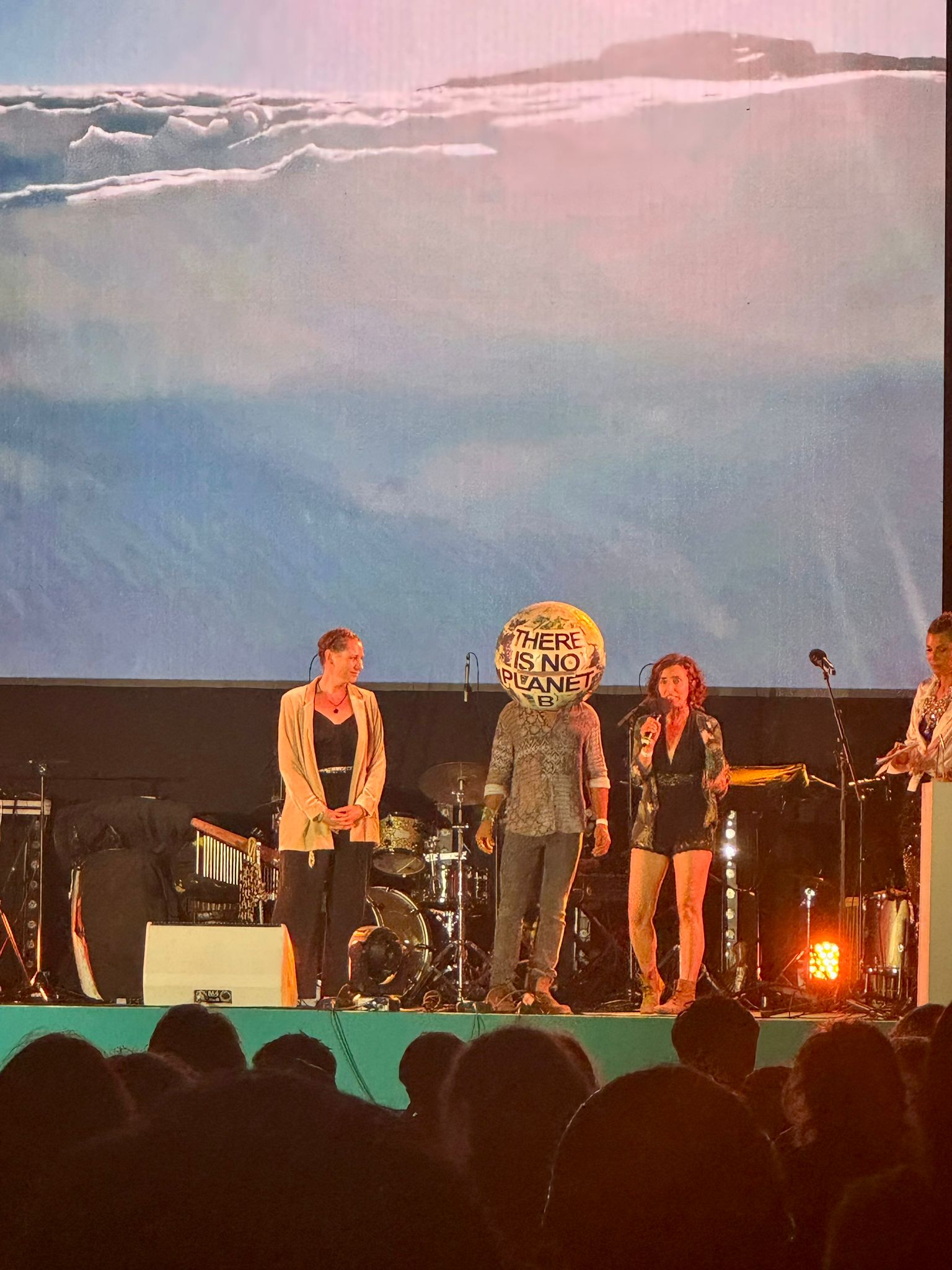
Harmony Hita Torres spoke about education during the ceremony, specifically about experience and action as the only real teacher. “You can tell someone to care for the planet,” she said, “but if they don’t connect with nature, how are they going to do that? When you experience something, you integrate it, and you never forget it. That is what we are trying to do.”
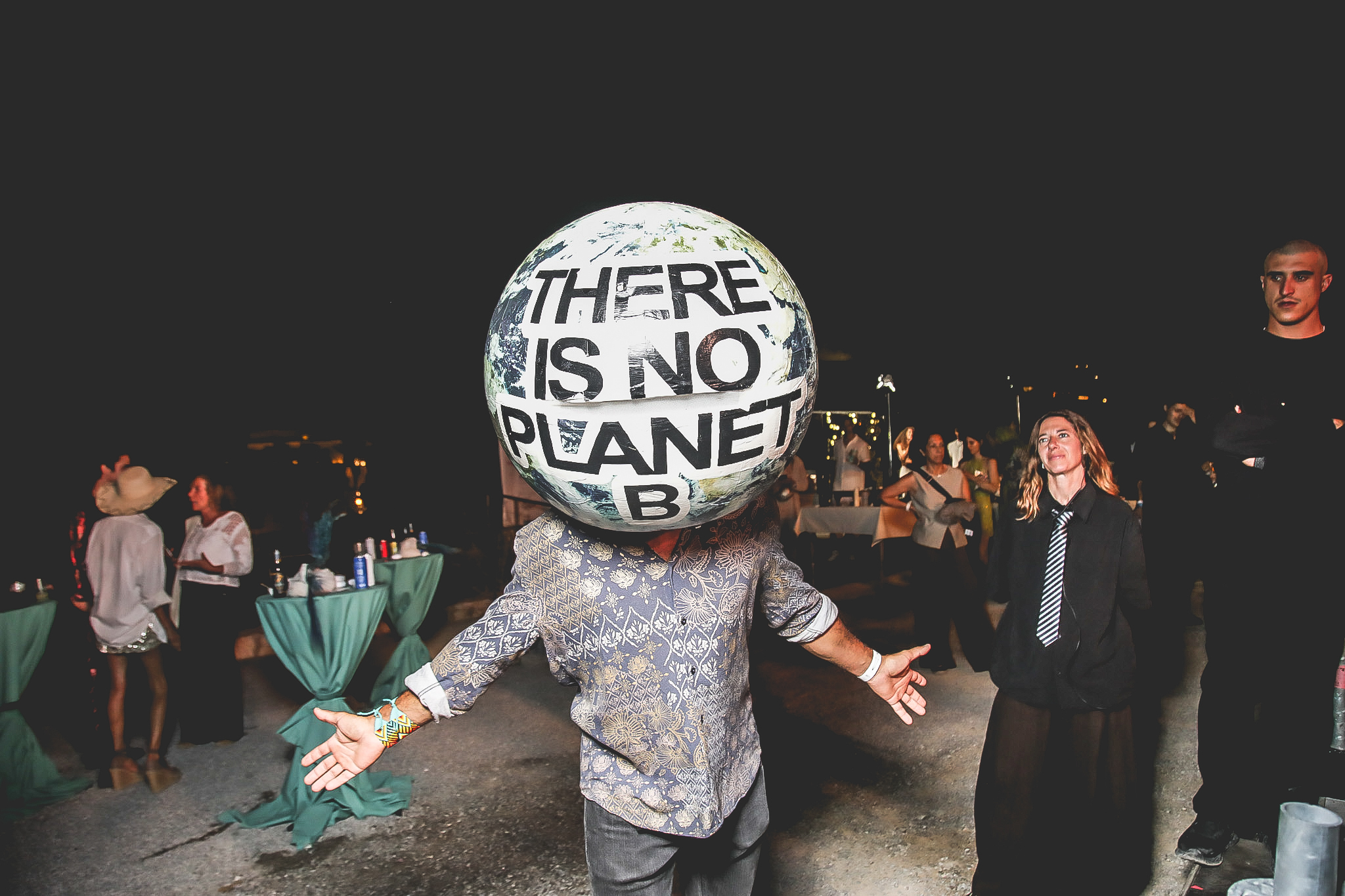
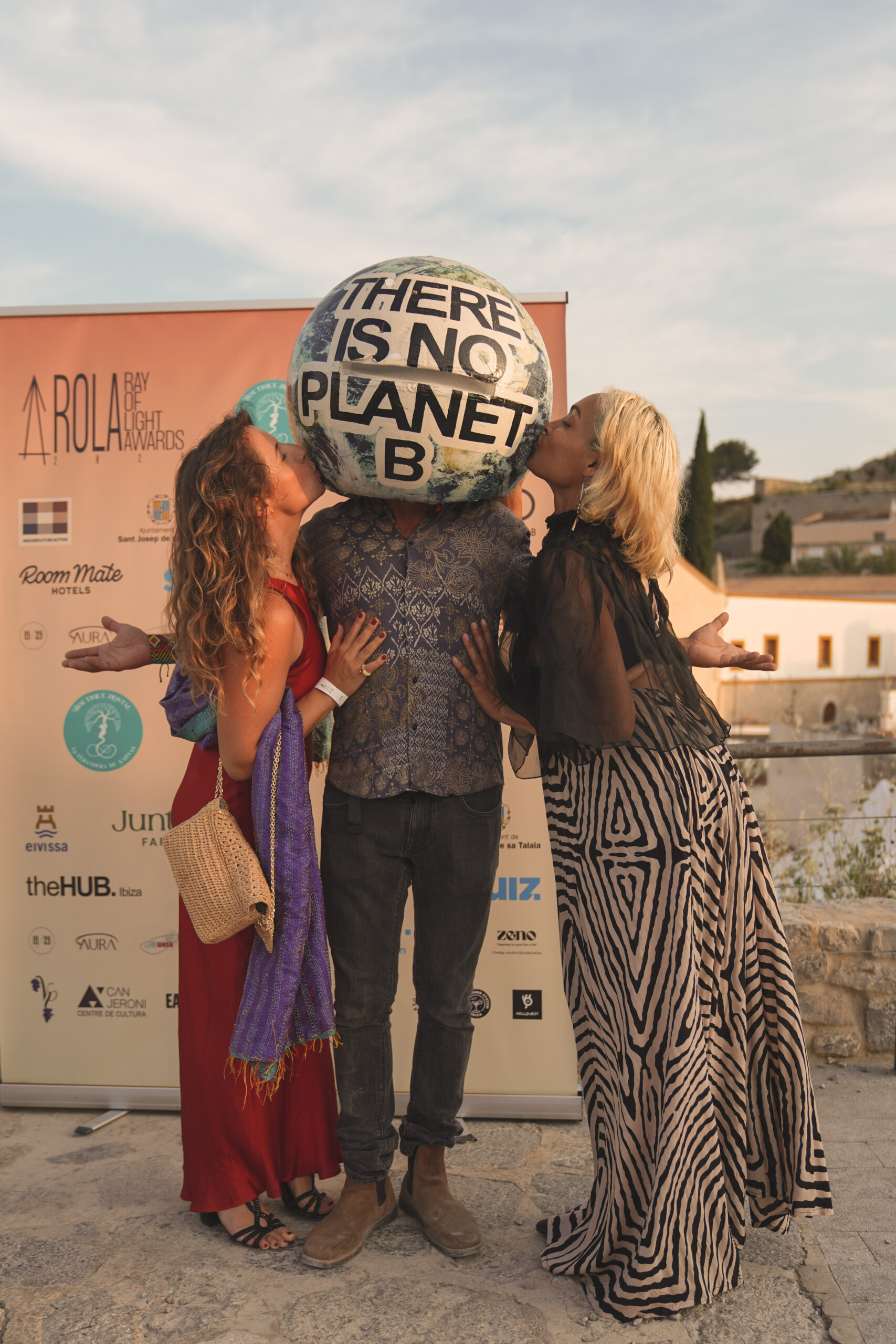
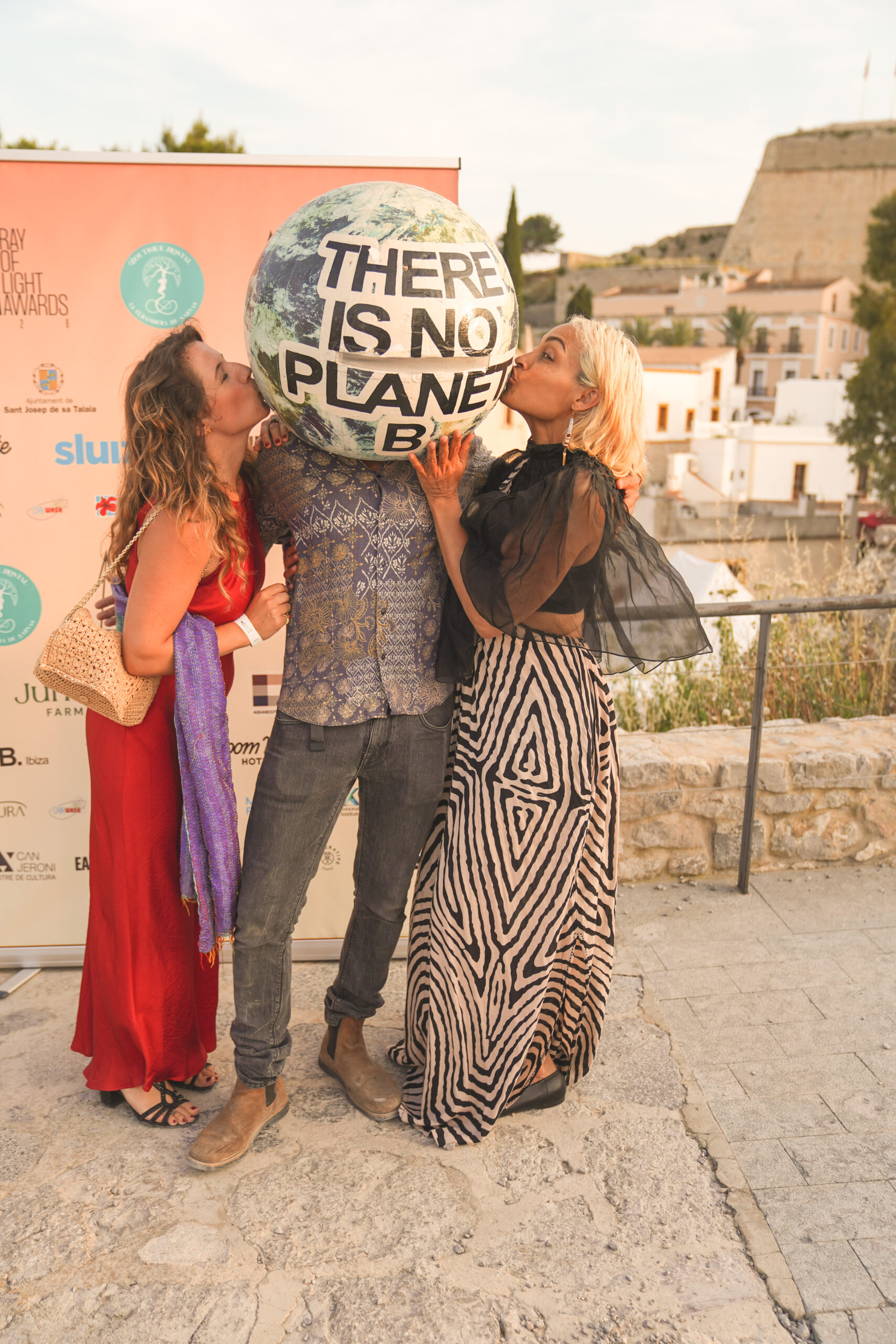
Jorge Pineda Bruges, speaking as if he were Planet B himself, put it simply: “This gives me hope. Hope that people still believe that through creativity, change is possible. That people care about our world, because there is no planet B.”
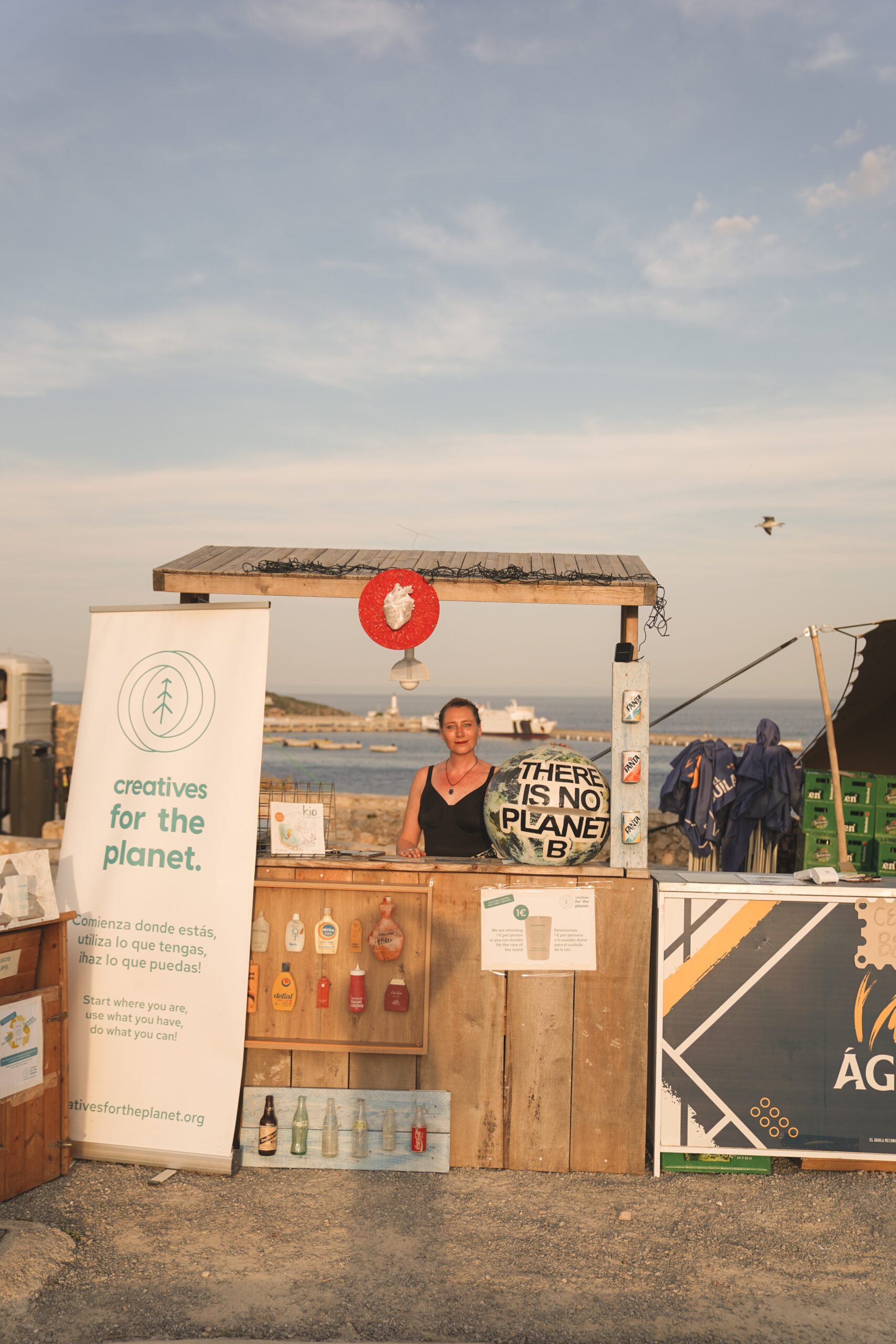
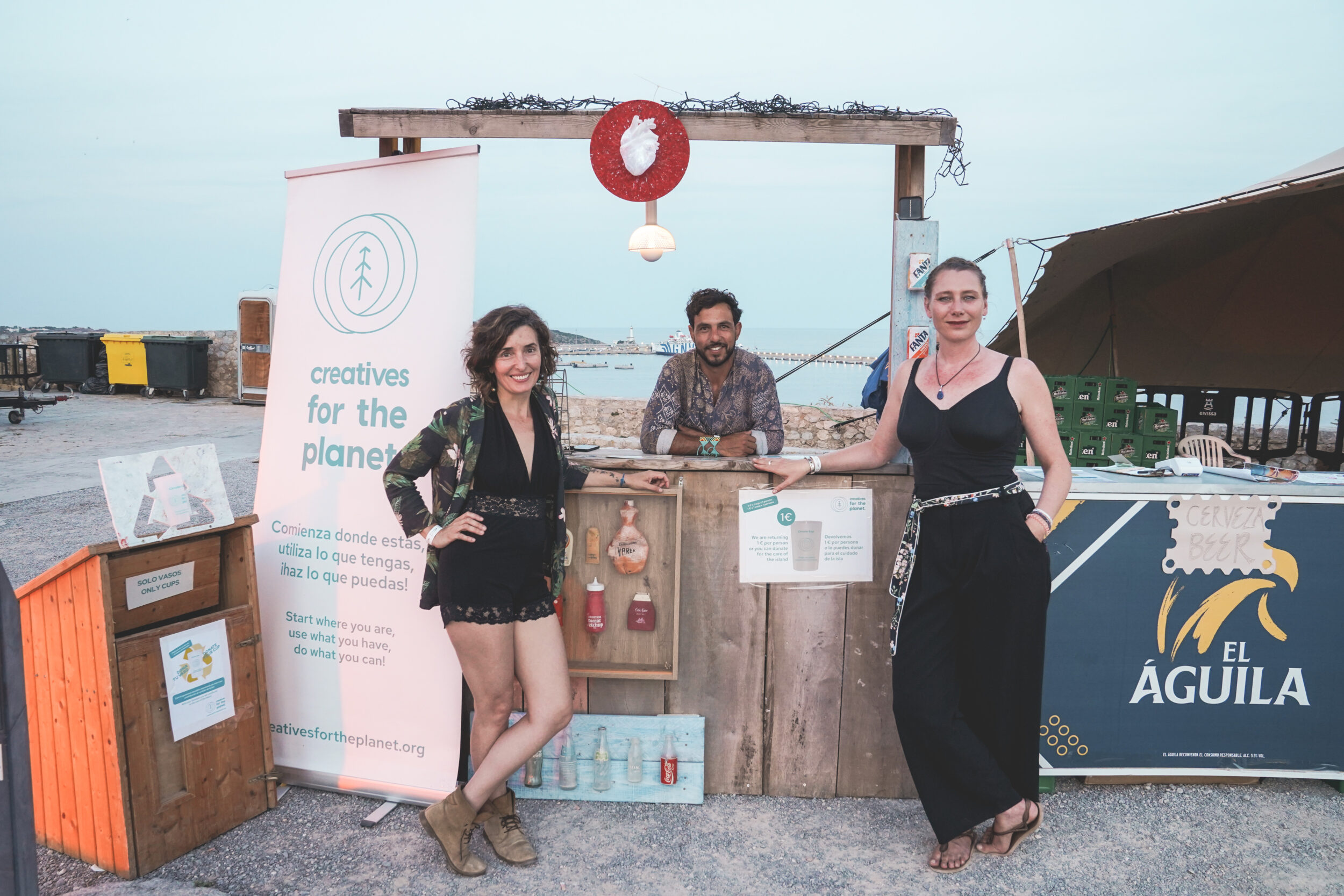
Sophia Brucklacher closed with the words the NGO has always lived by: “Running a small local NGO demands a lot. It asks for passion, persistence, and a constant pull towards doing something that actually matters. We don’t do this for fame or money, we do it because we genuinely believe it’s important, that something has to be done, and that we can be part of it.” She thanked the volunteers, the collaborators, and everyone who had ever put in their grain of sand. And she ended, as she always does, with the line that started it all: Start where you are. Use what you have. Do what you can.
Text: Sophia Brucklacher
Pictures: Jorge Pineda Bruges, Natalie Beths Harris, Annalisa Flori, Julien Sarkissian