
This spring, 183 volunteers spent two months pulling the past out of Ibiza’s coastline. What they found was more unsettling than anyone expected.
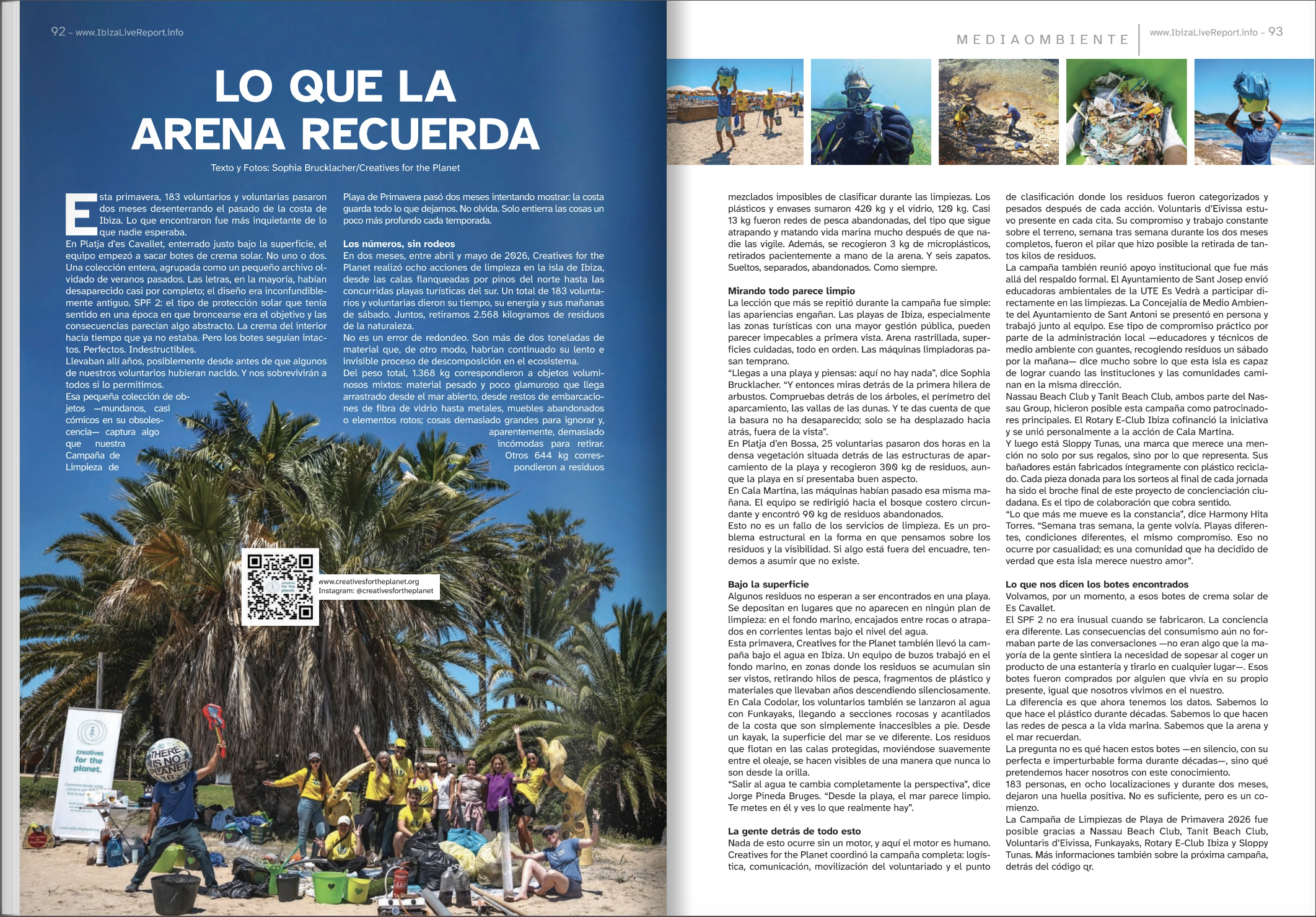
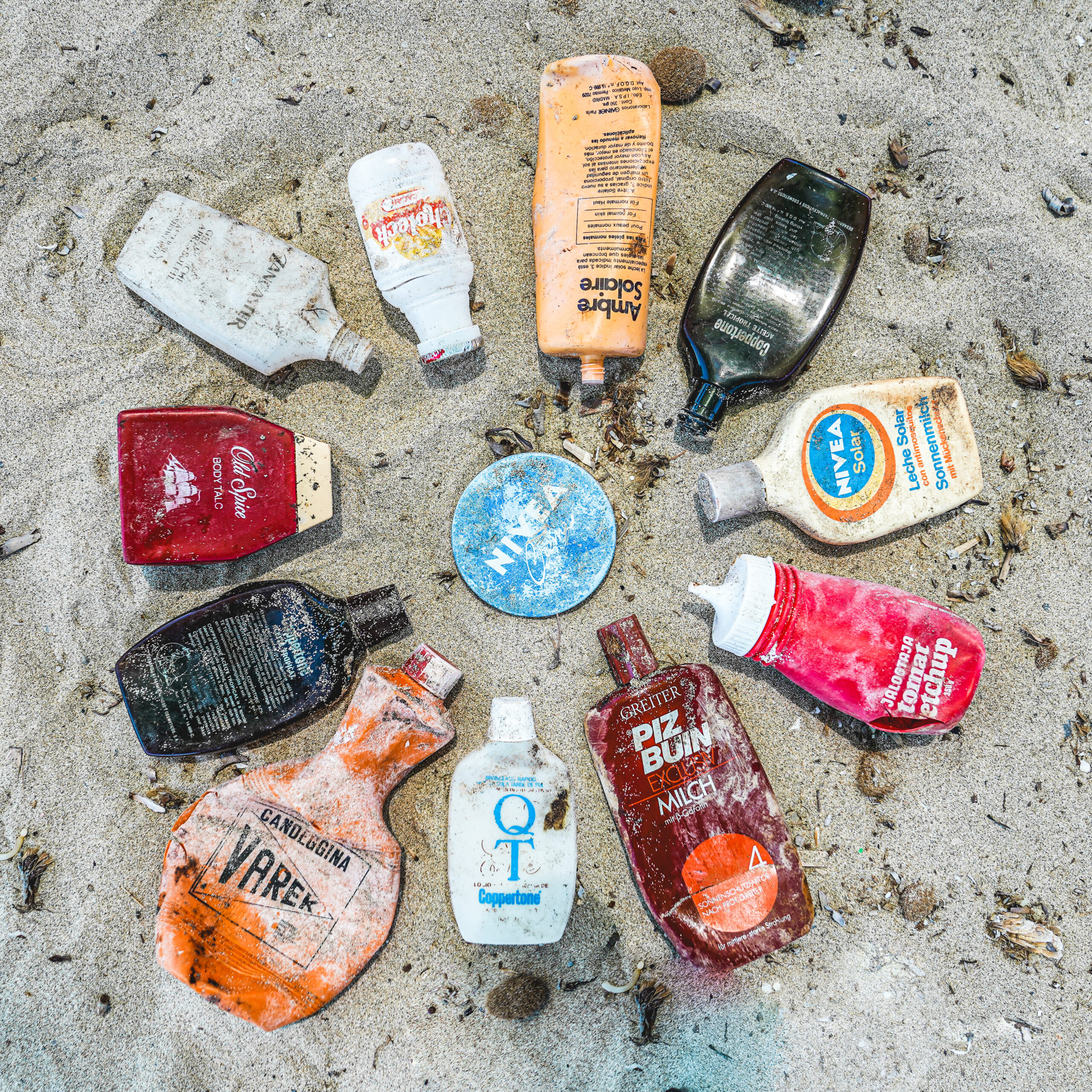
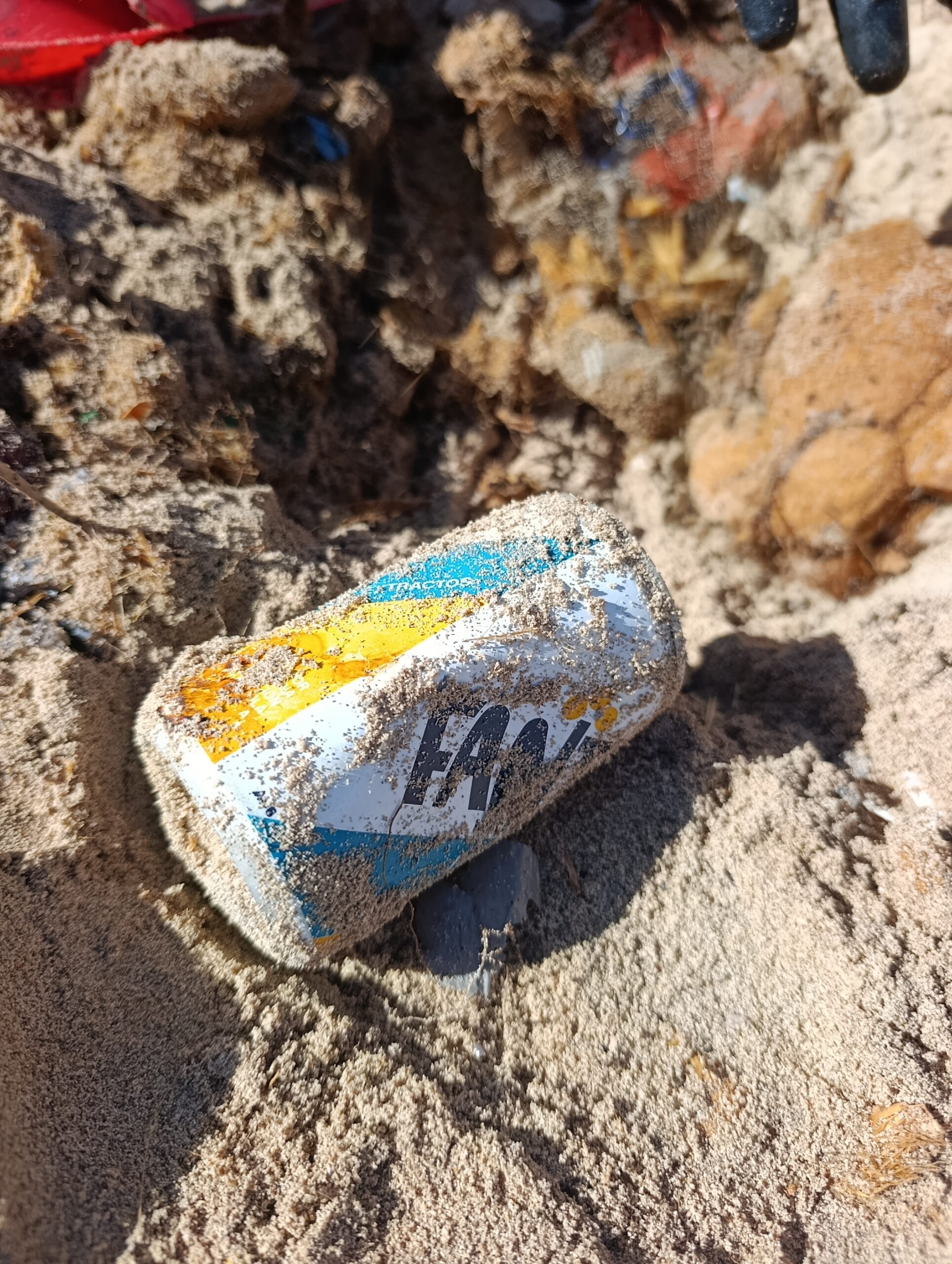
At Platja des Cavallet, buried just below the surface, the team started pulling out sunscreen bottles. Not one or two. A collection of them, clustered together like a small, forgotten archive of summers past. The branding on most had faded to almost nothing, the design language unmistakably decades old. SPF 2, the kind of sun protection that made sense in an era when a tan was the point and consequences felt abstract. The cream inside was long gone. But the bottles were intact. Perfectly, indestructibly intact.
They had been there for years, possibly since before some of our volunteers were born. And they will outlast all of us, if we let them.
That small collection of objects, mundane, almost comic in their obsolescence, captures something our Spring Beach Clean-Up Campaign spent two months trying to show: the coastline holds on to everything we leave behind. It doesn’t forget. It just buries things a little deeper each season.
The Numbers, Plainly Said
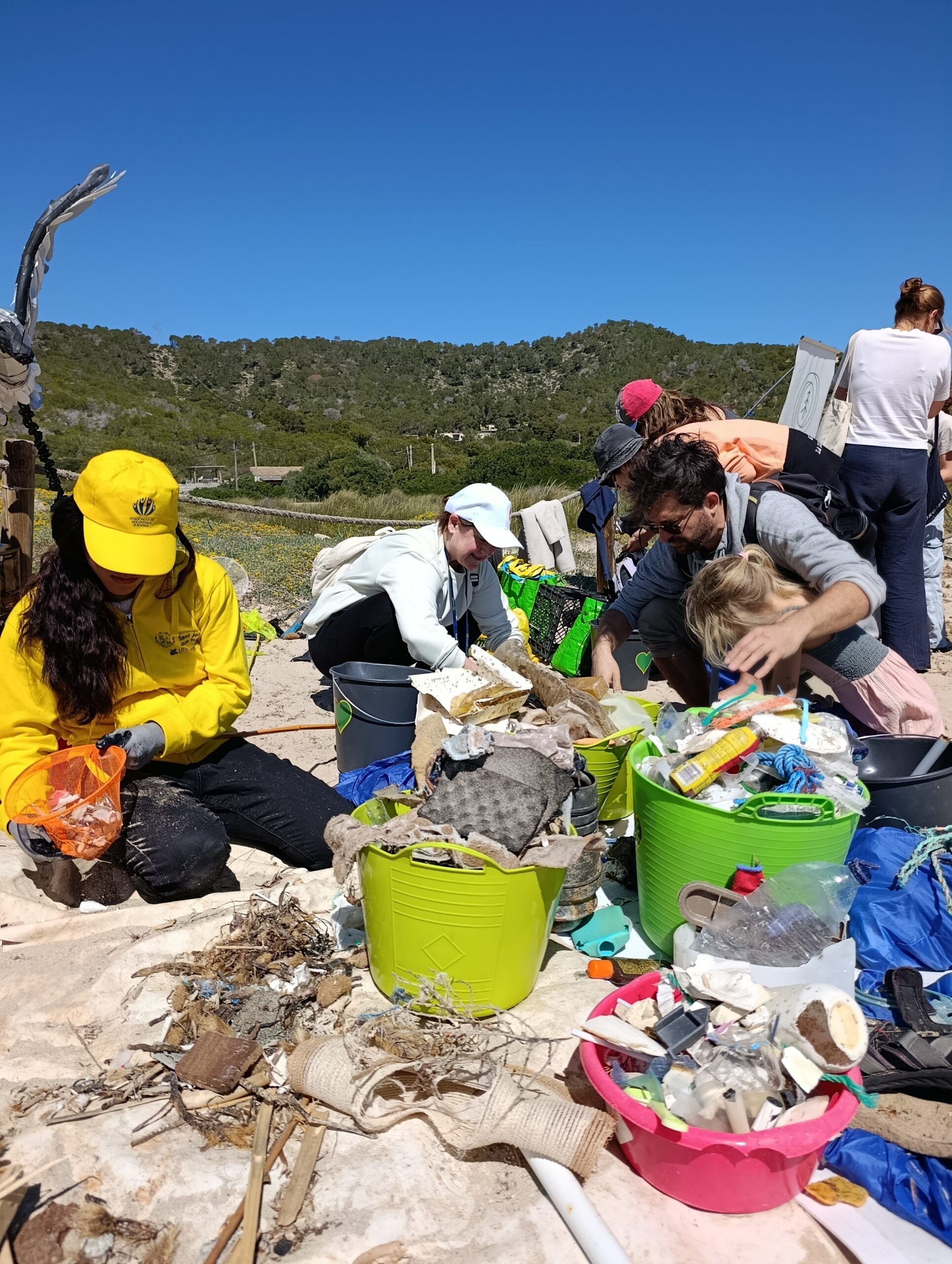
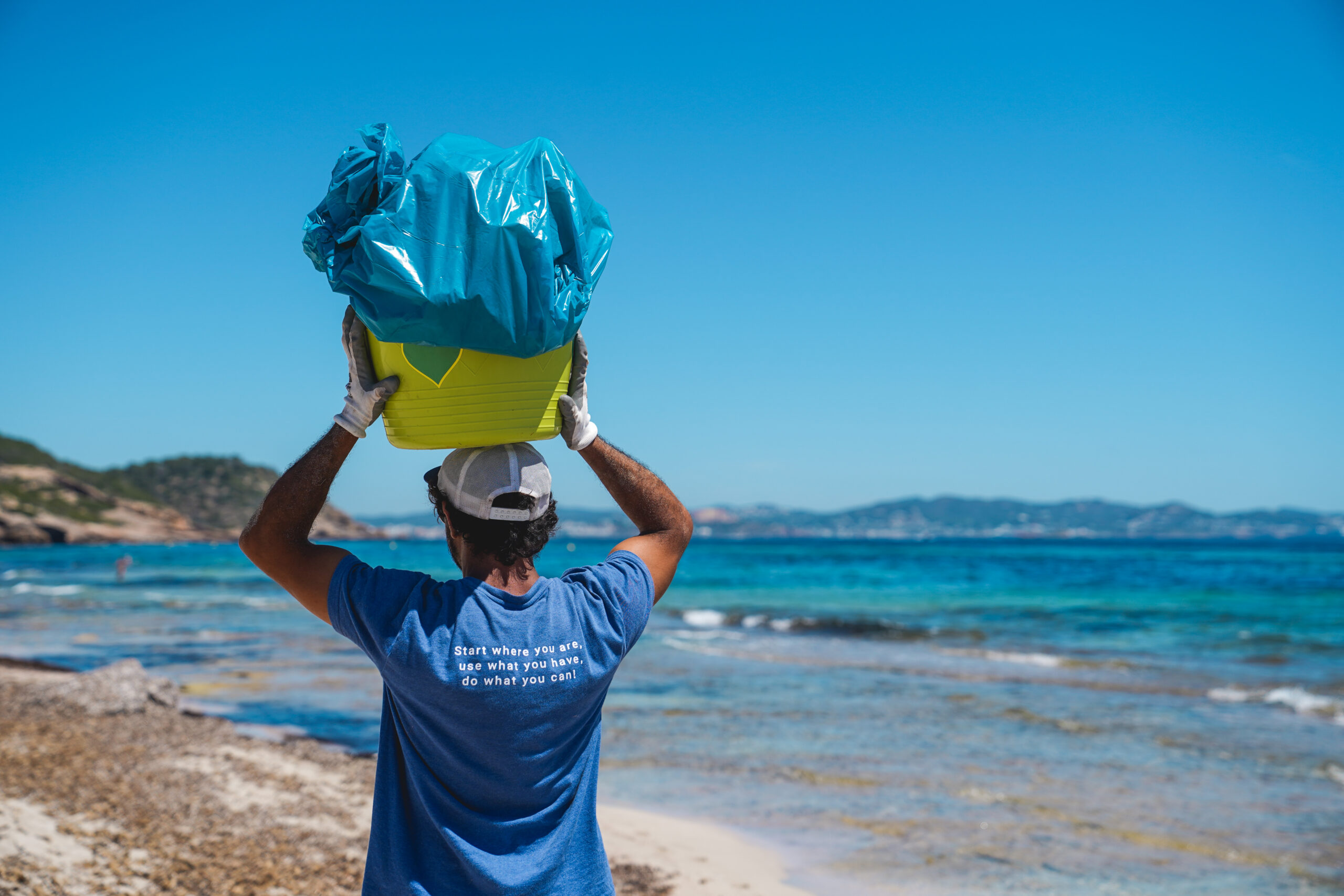
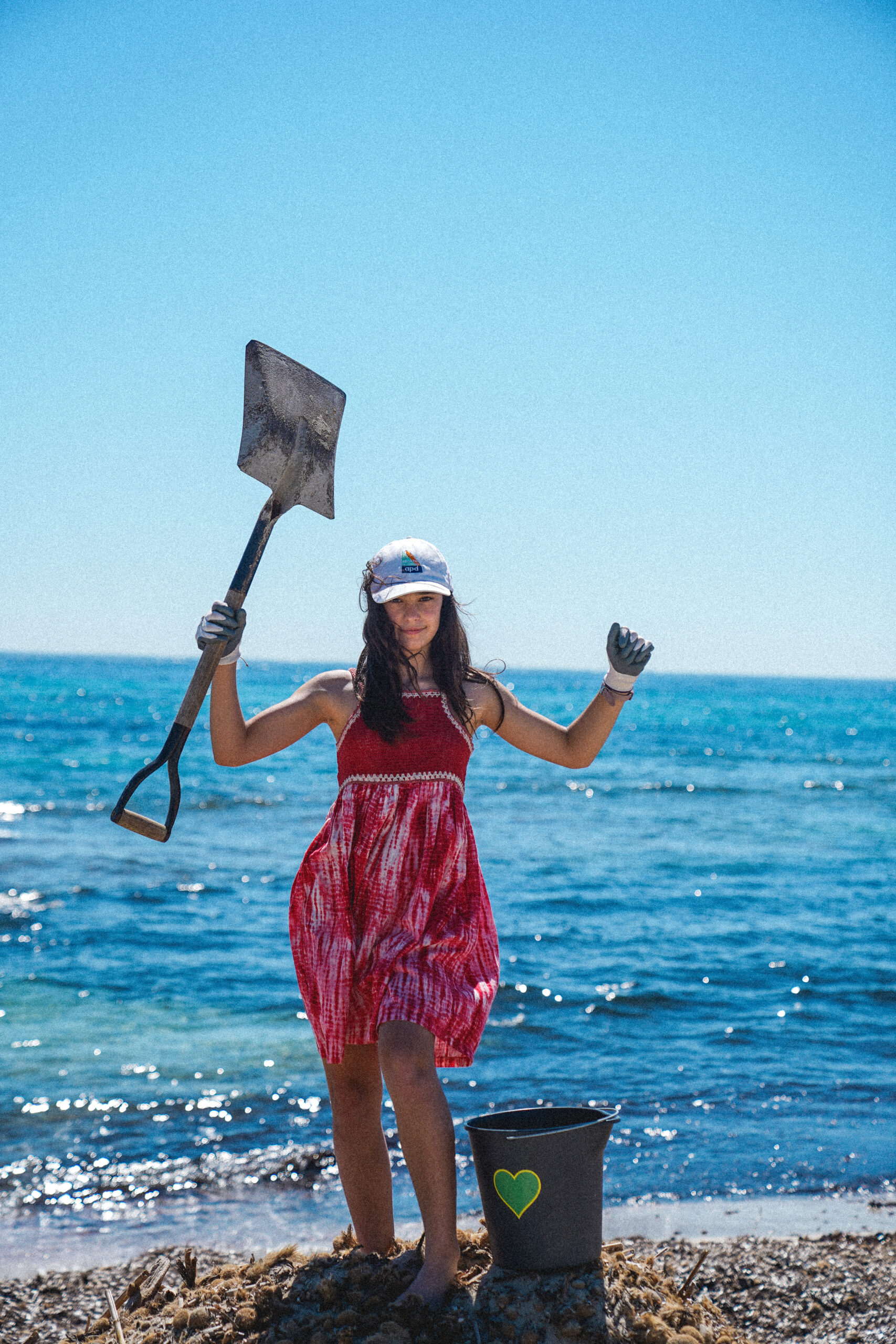
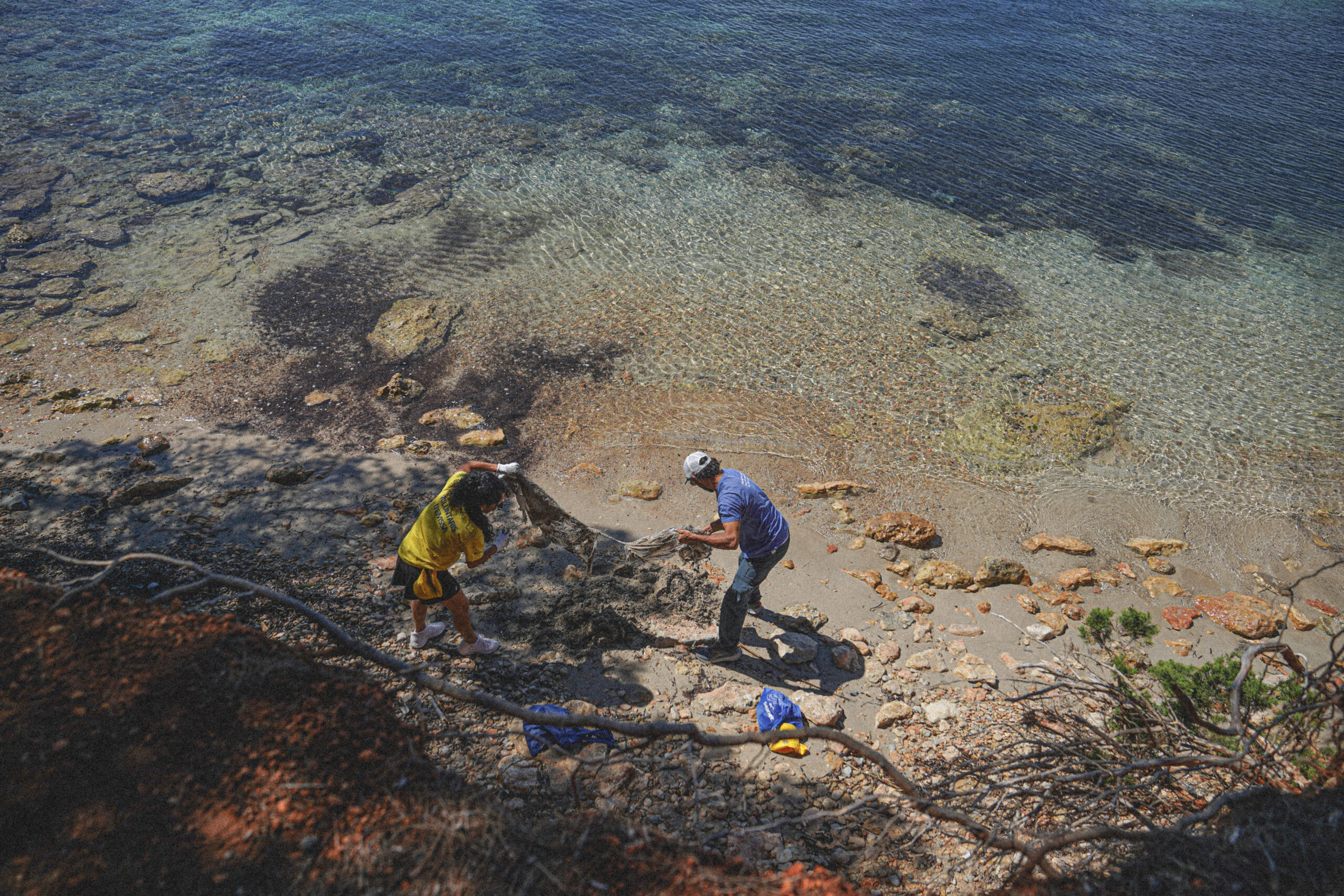
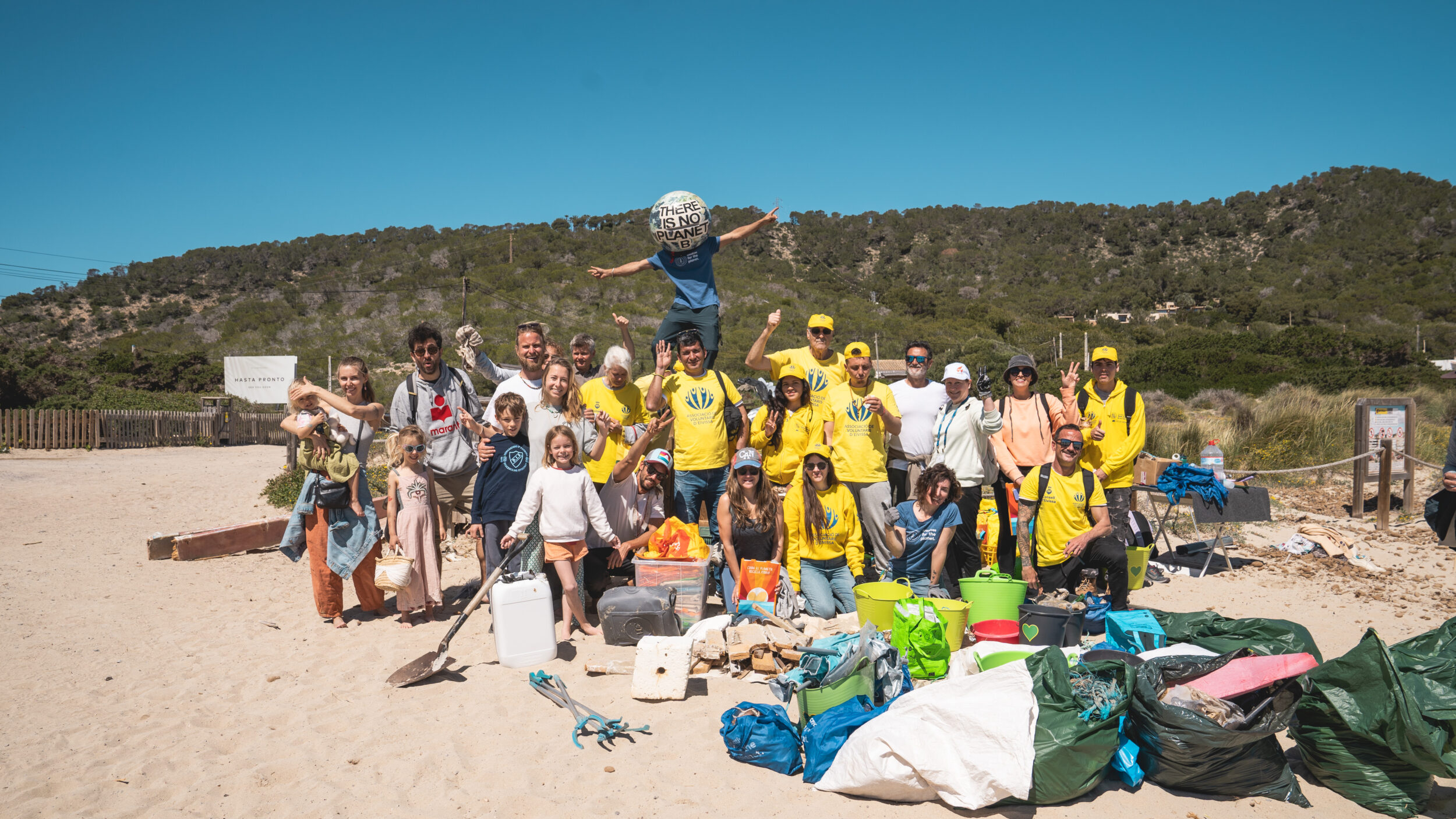
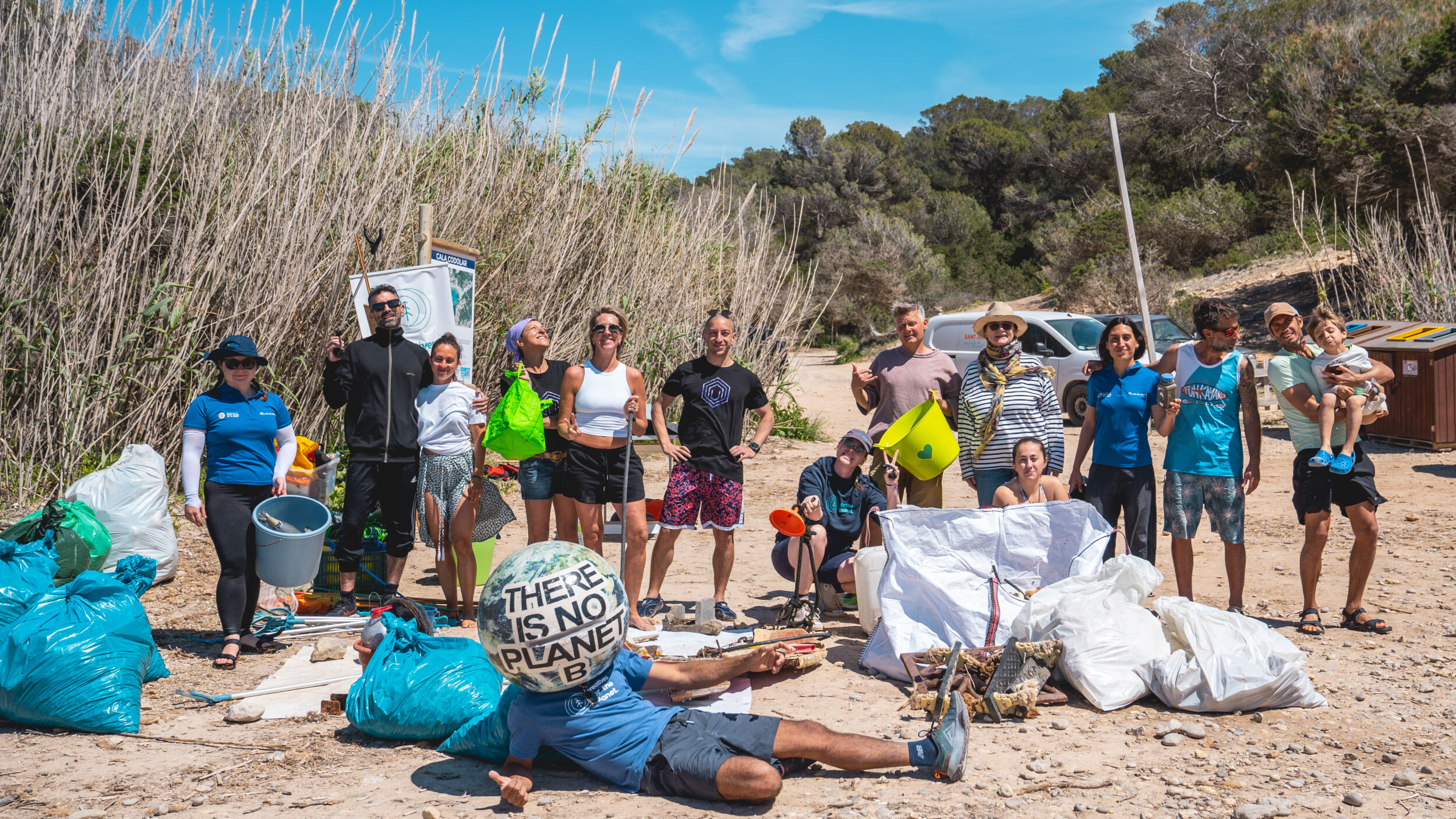
In two months, between April and May 2026, Creatives for the Planet ran eight clean-up actions on the island of Ibiza, from the pine-fringed coves of the north to the packed tourist beaches of the south. One hundred and eighty-three volunteers gave their time, their energy, and their Saturday mornings. Together, we removed 2,568 kilograms of waste from nature.
That is not a rounding error. That is over two tonnes of material that would otherwise have continued its slow, invisible work of breaking down into the ecosystem.
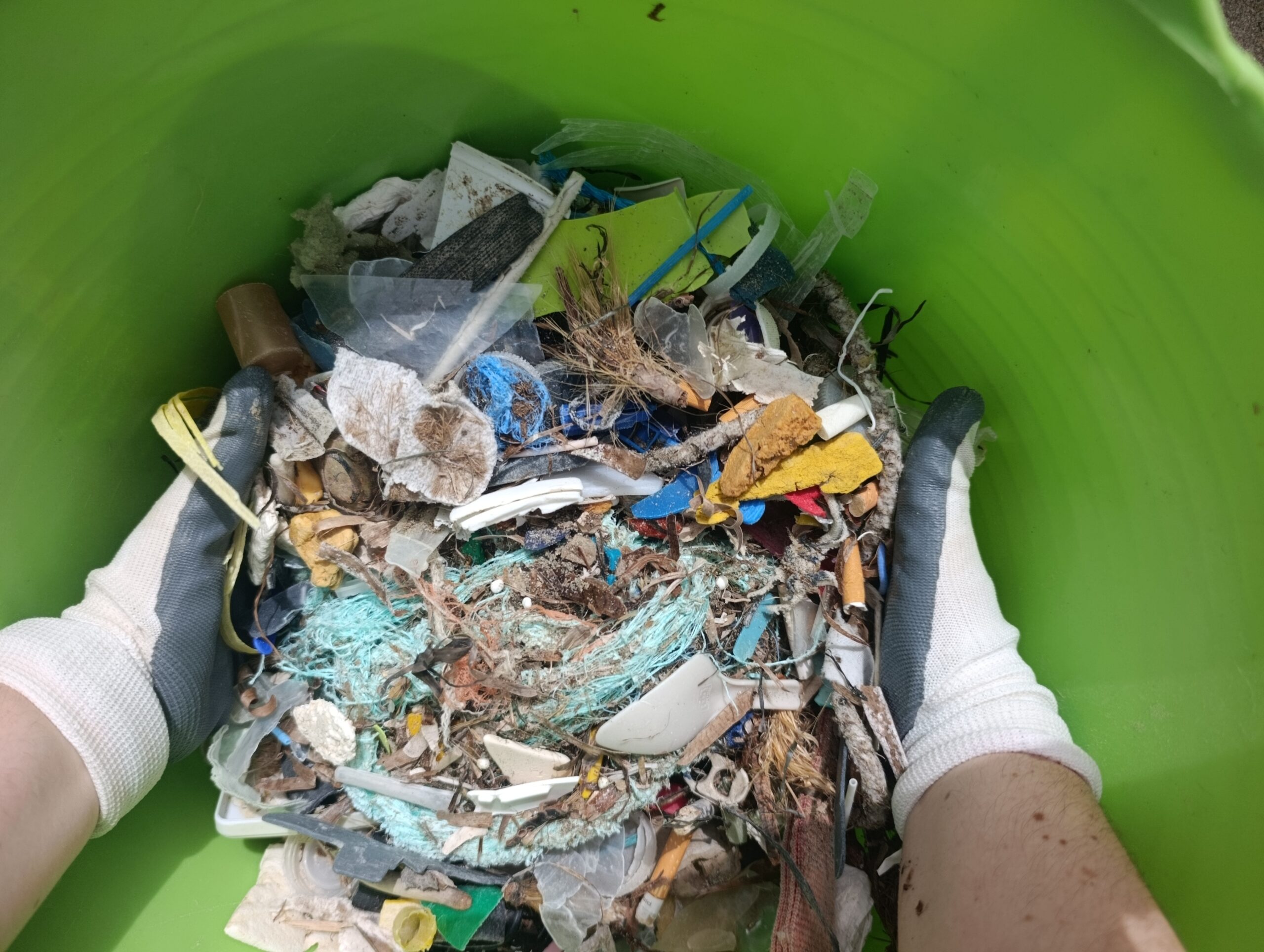
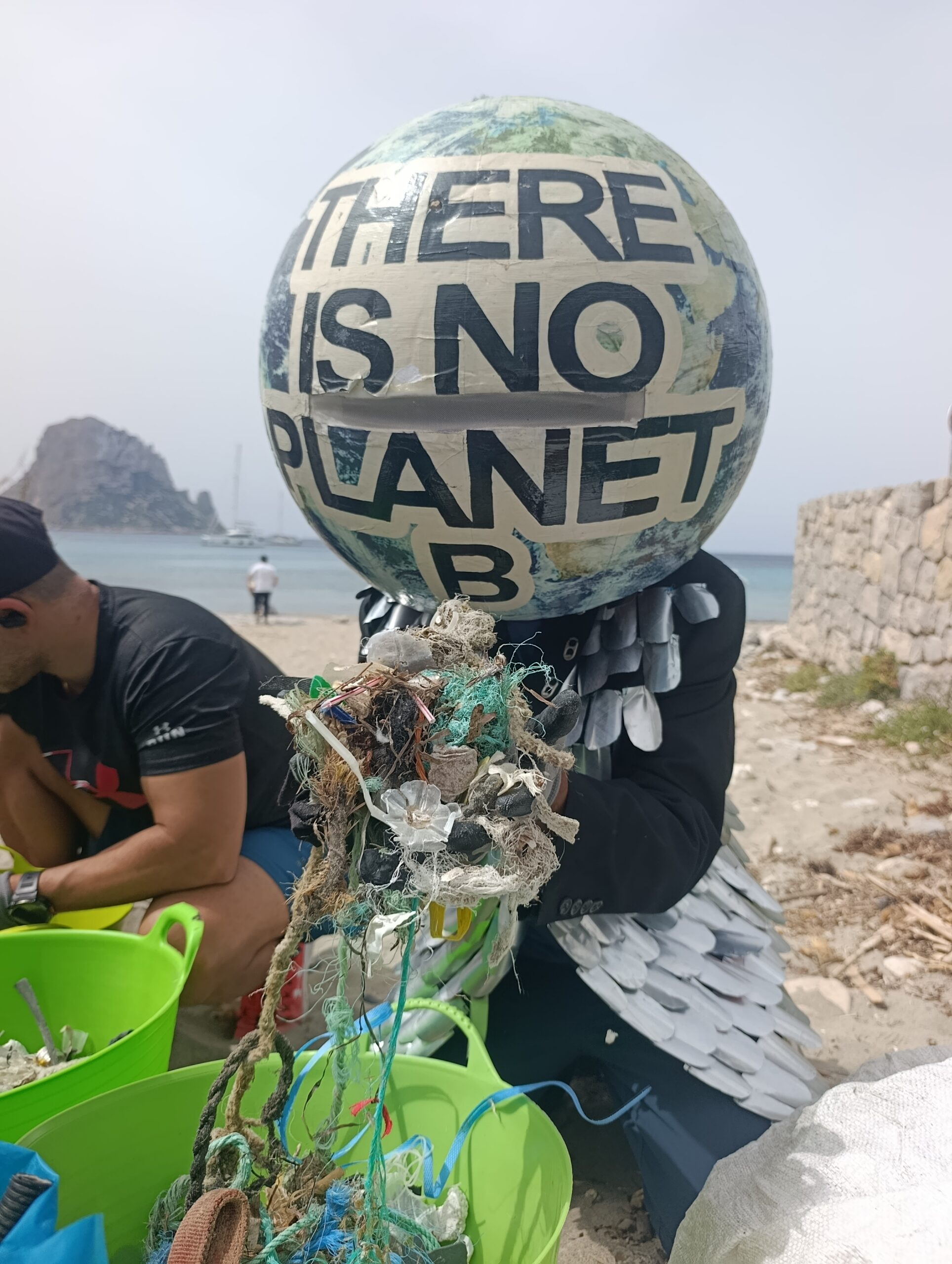
The breakdown matters. Of the total weight: 1,368 kg was mixed bulky waste, the heavy, unglamorous stuff that washes in from open water, ranging from fibreglass boat wreckage to metal, abandoned furniture, and broken items, things too large to ignore and apparently too inconvenient to carry out. Another 644 kg was general waste, impossible to classify further once collected. Plastics and packaging accounted for 420 kg, and glass for 120 kg. Nearly 13 kg of abandoned fishing nets, the kind that continue trapping and killing marine life long after anyone stops watching. Three kilograms of microplastics, patiently collected by hand from the sand.
And six shoes. Lone, separated, abandoned. As always.
Looking Where It’s Clean
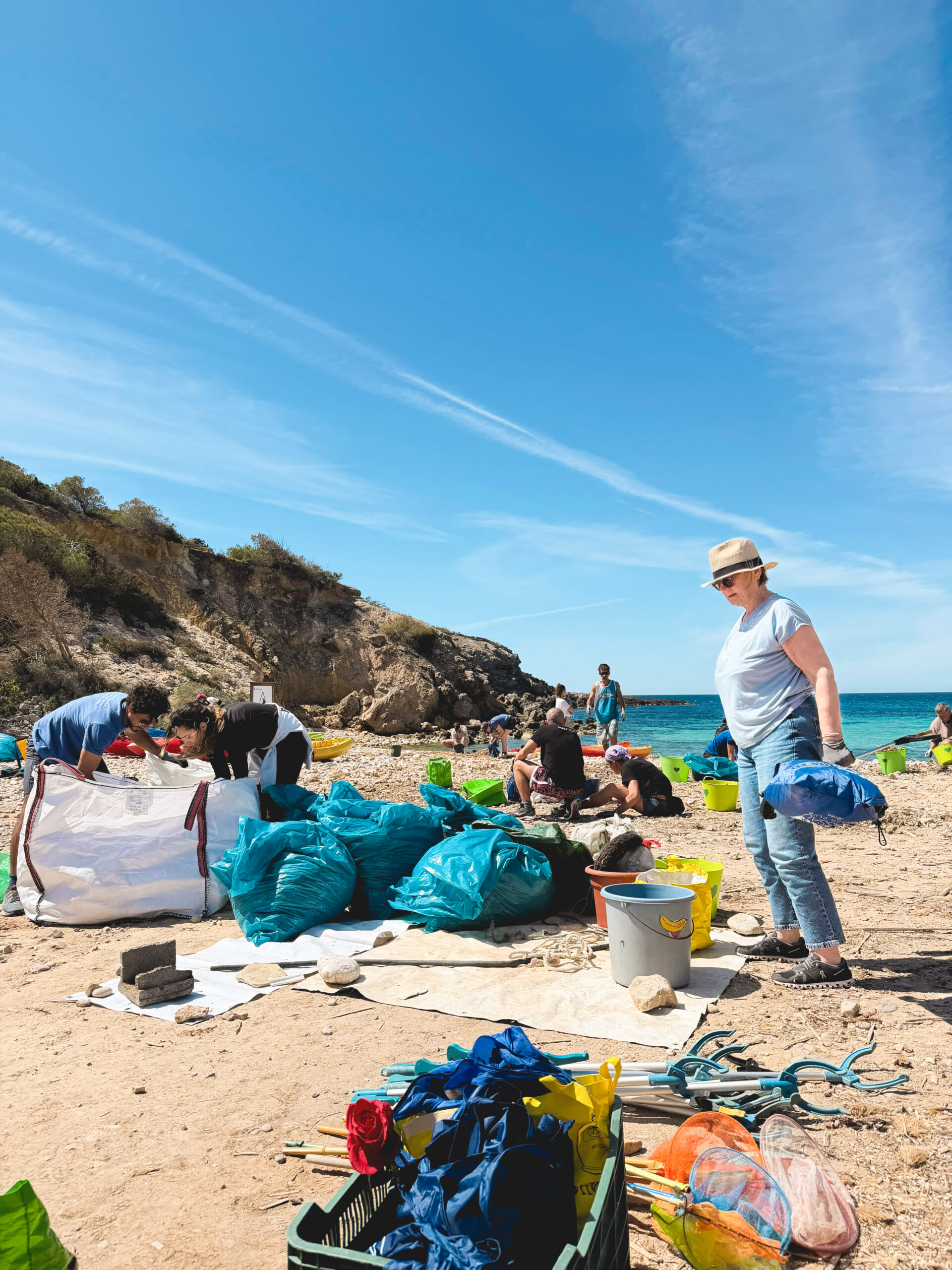
The campaign’s most consistent lesson was about appearances. Ibiza’s beaches, particularly the heavily managed tourist strips, can look immaculate at first glance. Sand raked, surfaces groomed, everything in order. The machine cleaners come through early.
“You arrive at a beach and think, there’s nothing here,” says Sophia Brucklacher. “And then you look behind the first row of bushes. You check behind the trees, the parking perimeter, the dune fencing. And you realise the waste hasn’t disappeared, it’s just been pushed back, out of sight.”
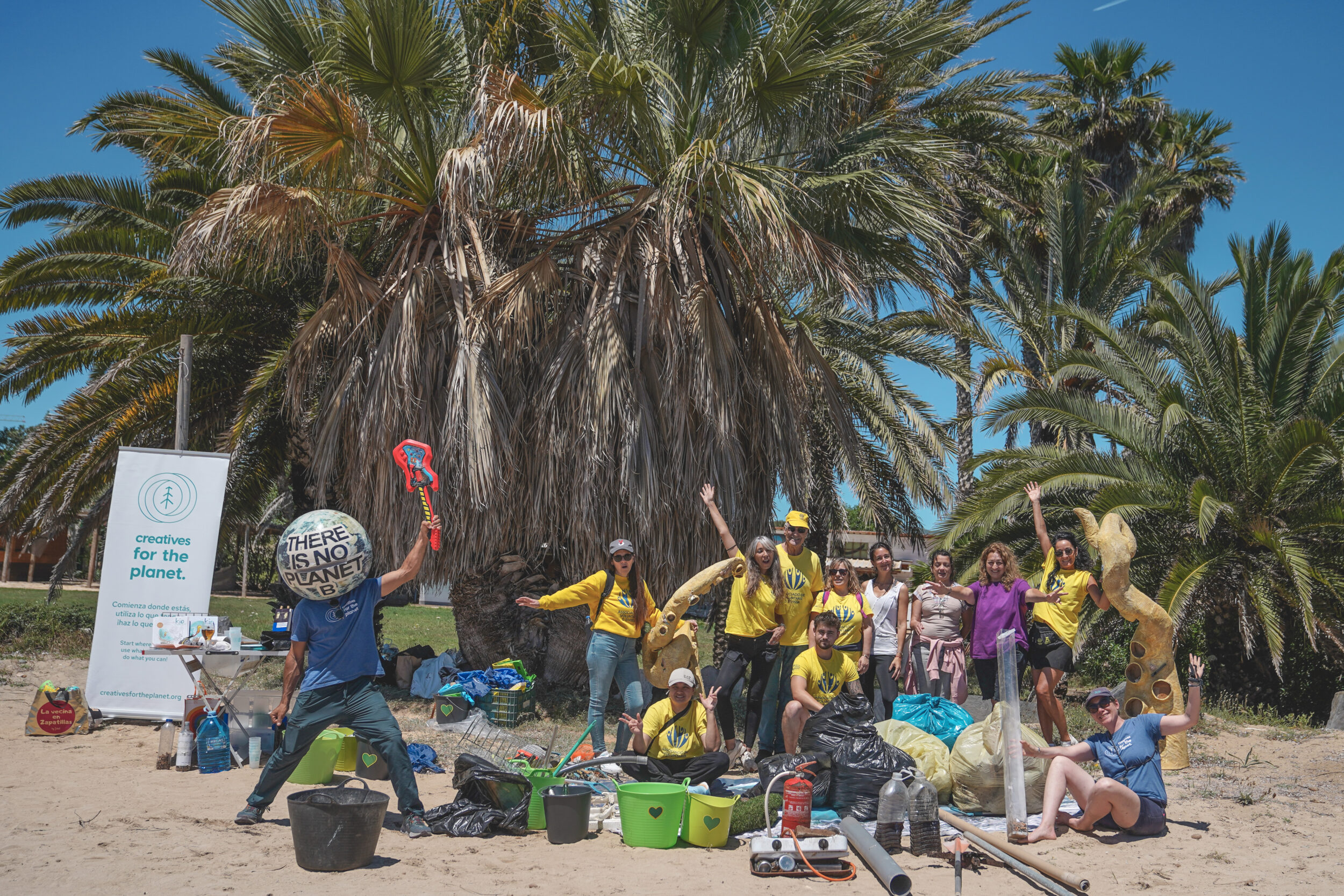
At Platja d’en Bossa, 25 volunteers spent two hours in the dense vegetation behind the beach’s parking structures and collected 300 kg, even though the beach itself looked fine.
At Cala Martina, mechanical sweepers had been through that same morning. The team redirected into the surrounding coastal forest and found 90 kg left behind.
This is not a failure of the cleaning services. It is a structural problem with how we think about waste and visibility. If it’s out of the frame, we tend to assume it isn’t there.
Below the Surface
Some waste doesn’t wait to be found on a beach. It settles in places that don’t appear in any beach clean-up plan, on the seafloor, wedged between rocks, caught in the slow currents below the waterline.
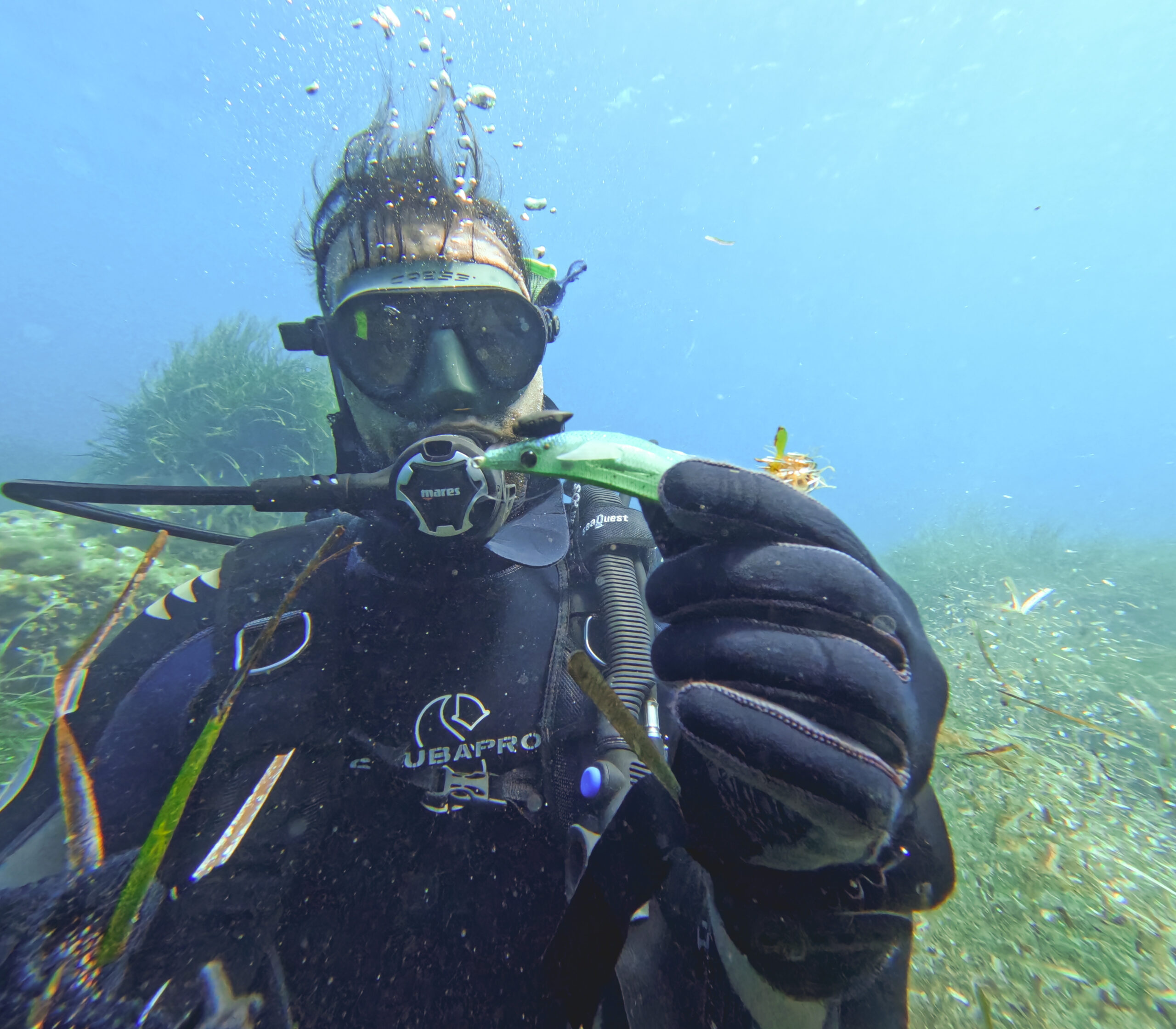
This spring, Creatives for the Planet also took the campaign underwater in Ibiza. A team of divers worked the seabed in areas where debris accumulates unseen, bringing up fishing line, plastic fragments, and material that had been quietly drifting downward for years.
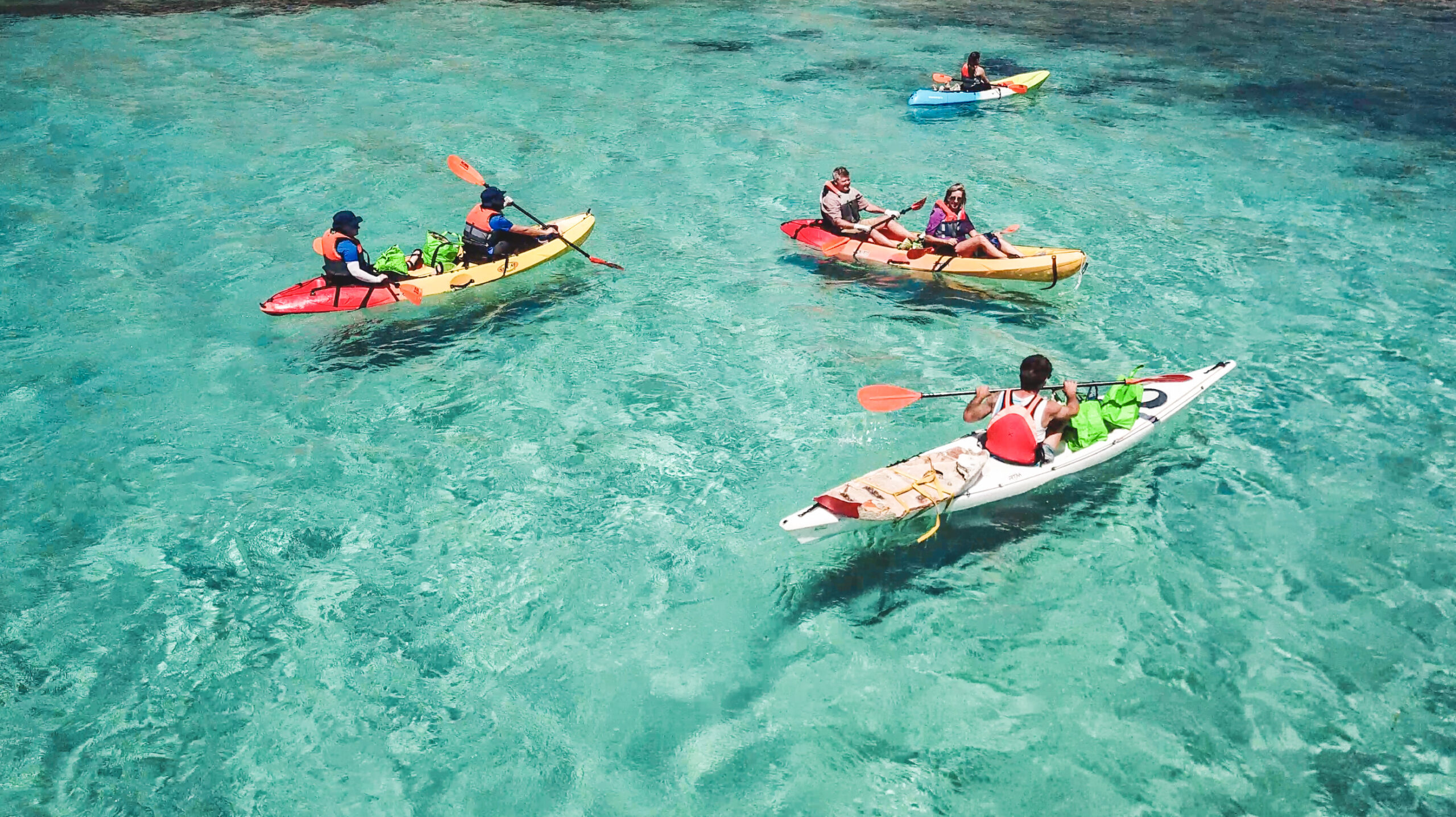
At Cala Codolar, volunteers also took to the water by kayak with Funkayaks, reaching the rocky, cliff-locked sections of coastline that are simply inaccessible on foot. From a kayak, the surface of the sea looks different. The debris that floats in sheltered coves, moving gently with the swell, becomes visible in a way it never is from the shore.
“Getting out on the water changes your perspective completely,” says Jorge Pineda Bruges. “From the beach, the sea looks clean. You get in it, and you see what’s actually there.”
The People Behind It
None of this happens without an engine, and here, that engine is human.
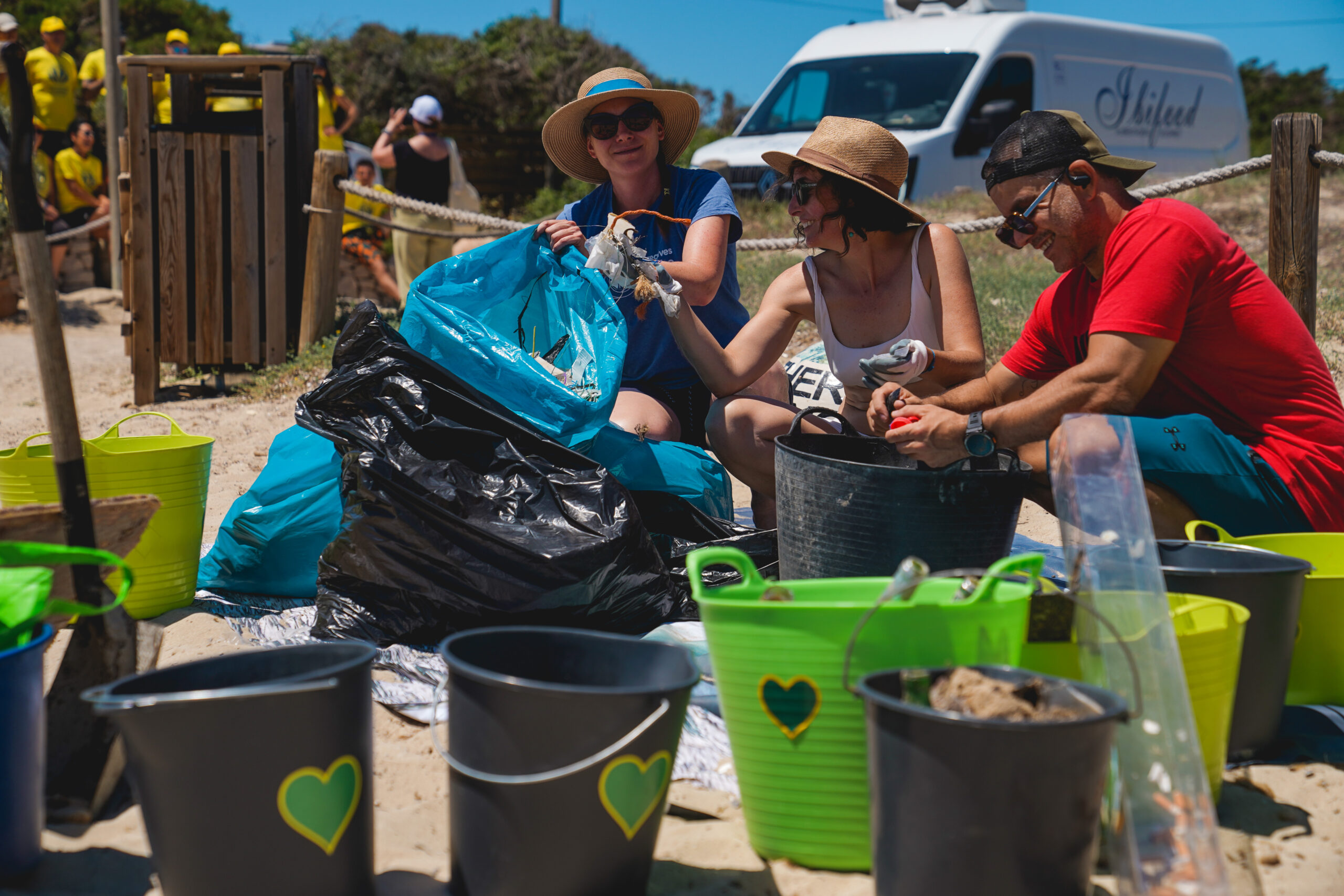
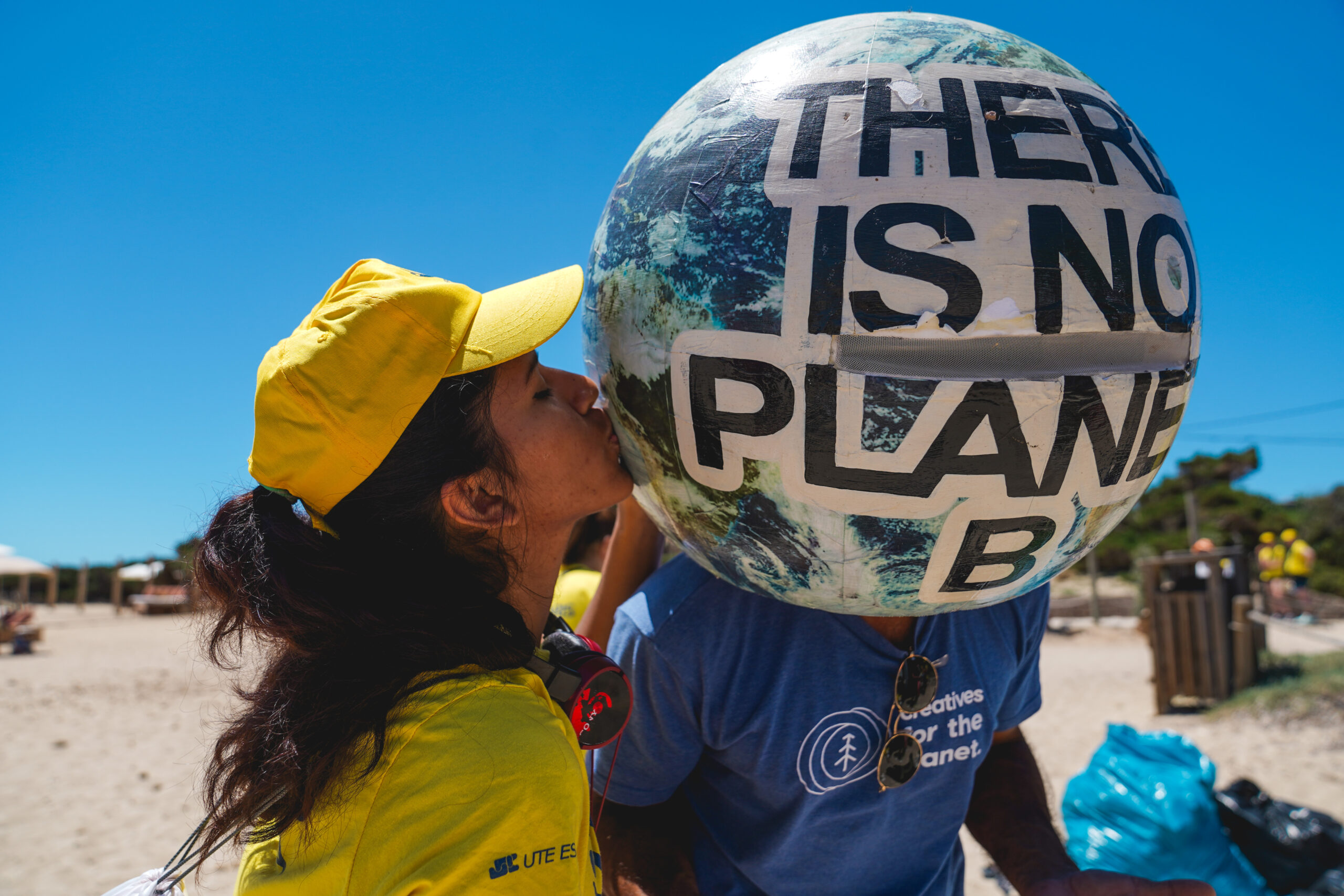
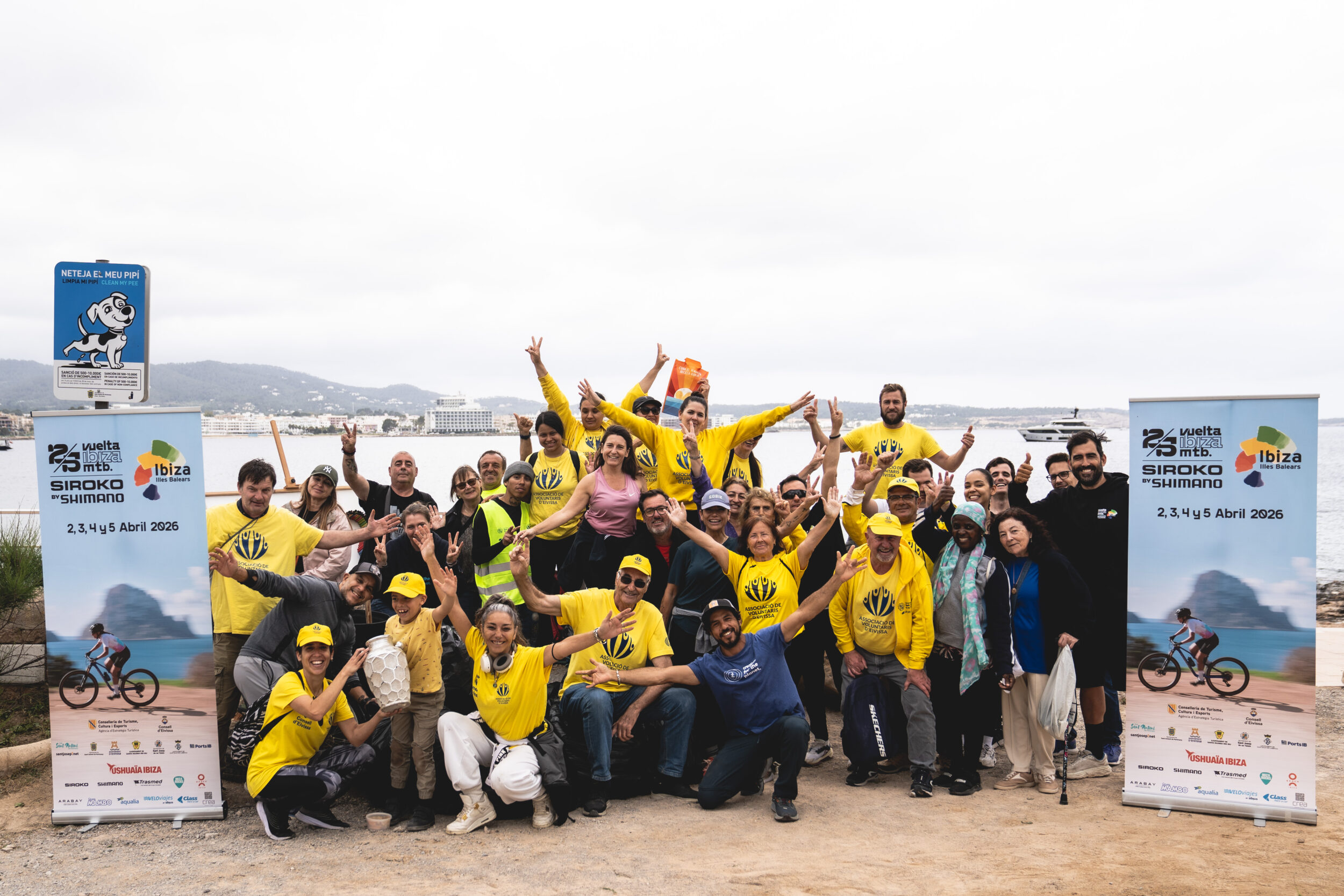
Creatives for the Planet coordinated the full campaign, logistics, communication, volunteer mobilisation, and the sorting point where waste was categorised and weighed after each action. Voluntaris d’Eivissa were present at every single date. Their commitment and steady work on the ground, week after week across the full two months, was the pillar that made removing so many kilos of waste possible.
The campaign also brought together institutional support that went beyond formal endorsement. The Ayuntamiento de Sant Josep sent environmental educators from UTE Es Vedrà to take part directly in the clean-ups. The Ayuntamiento de Sant Antoni’s Concejalía de Medio Ambiente showed up in person and worked alongside the team. That kind of hands-on commitment from local government, educators and environmental officers in gloves, collecting waste on a Saturday morning, says a lot about what this island is capable of when institutions and communities move in the same direction.
Nassau Beach Club and Tanit Beach Club, both part of the Nassau Group, made this campaign possible as core sponsors. The E-Rotary Club of Ibiza co-financed and joined the Cala Martina action in person.
And then there is Sloppy Tunas, a brand worth mentioning not just for what they gave but for what they represent. Their swimwear is made entirely from recycled plastic. Every piece donated for the end-of-day raffles was the finishing touch on this project of public awareness. It is the kind of collaboration that makes sense.
“What moves me most is the consistency,” says Harmony Hita Torres. “Week after week, people came back. Different beaches, different conditions, the same commitment. That doesn’t happen by accident, it’s a community that has truly decided this island deserves our love for it.”
What the Bottles Tell Us
Let’s return, for a moment, to those sunscreen bottles at Cavallet.
SPF 2 was not unusual when they were made. Awareness was different. The consequences of consumption were not yet part of the conversation, not something most people felt any need to weigh up when picking a product off a shelf and discarding it wherever. Those bottles were bought by someone living in their own present, the same way we live in ours.
The difference is that we now have the data. We know what plastic does over decades. We know what fishing nets do to marine life. We know that the sand and the sea remember.
The question is not what these bottles do, quietly, in their perfect, undisturbed form across decades, but what we intend to do with that knowledge.
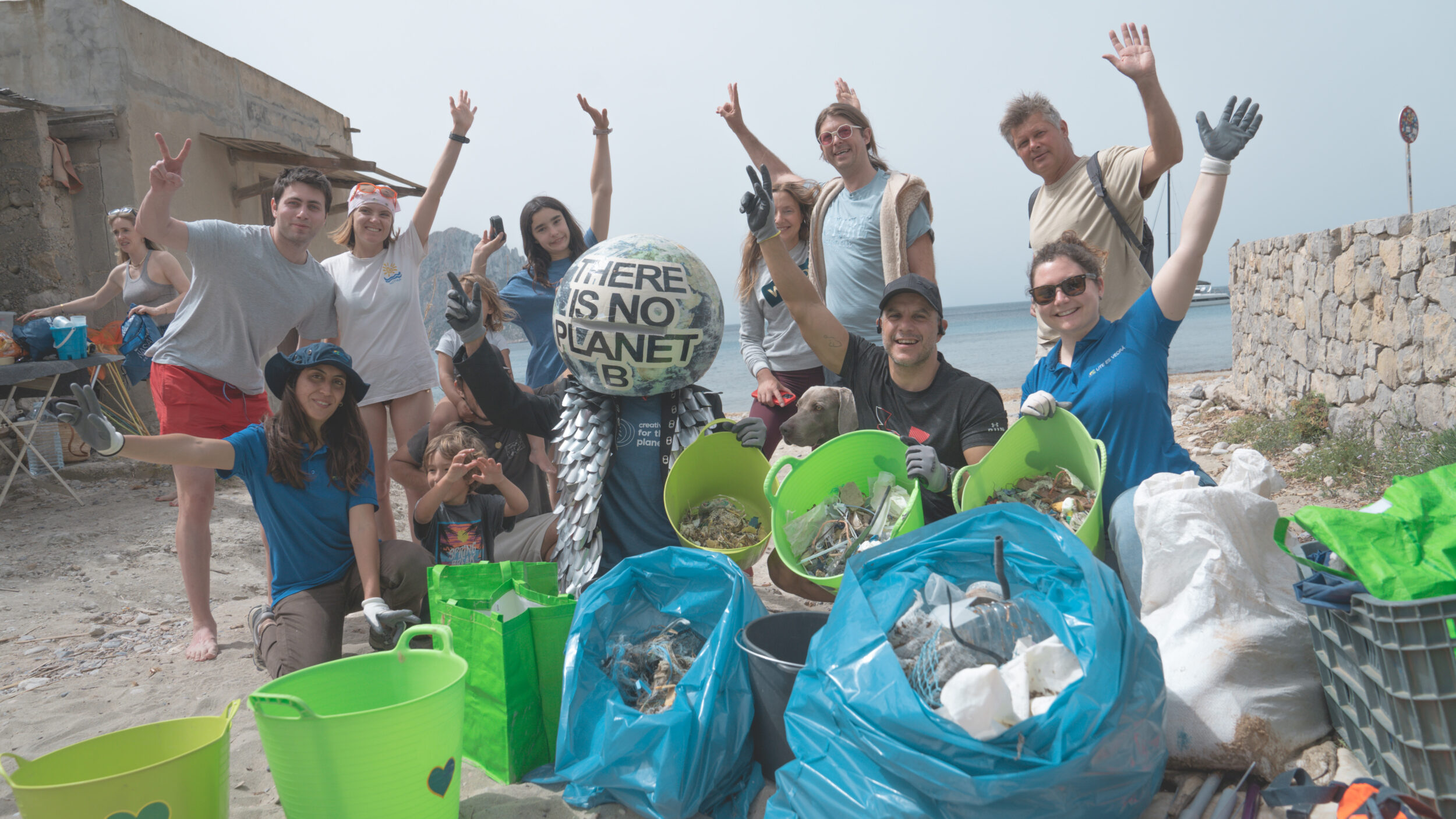
183 people, across 8 locations, over 2 months, left an impact. It isn’t enough. But it’s a start.
The Spring Beach Clean-Up Campaign 2026 was made possible by Nassau Beach Club, Tanit Beach Club, Voluntaris de Eivissa, Funkayaks, E-Rotary Club of Ibiza, and Sloppy Tunas. The next campaign will be announced on our social channels and newsletter.
Text: Sophia Brucklacher
Thanks to Ibiza Live Report for Publishing this article