In the red, iron-rich soil of the Balearic interior, there is a silence that predates the pulse of the island’s famous nightlife. It is the silence of the fincas payesas, of rosemary drying in sun-drenched courtyards, and of a generation that understood a fundamental truth: the earth is not a resource to be exploited, but a source of life to be respected.
This ancestral heartbeat is the foundation of Tornem a la terra (Return to the Earth), a project created and designed by Harmony Hita Torres. It is an initiative that acts as a living, intergenerational bridge. While modern life moves at an ever-accelerating pace, Harmony invites the students of Ibiza to pause and look down at the land beneath their sneakers. It is a deliberate invitation to remember what was essential knowledge only two generations ago.
A Library of Rural Knowledge
The framework of the project relies on the “ethnoclips,” a documentary series initiated by Creatives for the Planet with local institutional support to record the practical heritage of Ibiza’s rural women. Visual anthropologist Harmony Hita Torres, in collaboration with filmmaker Jorge Pineda Bruges, has built an archive that functions as a repository of rural self-sufficiency. These ethnographic videos are more than just interviews; they record the traditions and ancestral wisdom of the island’s country women. By filming these women as they share artisanal skills once passed down from generation to generation, Harmony and Jorge have created a vital resource that moves the anonymous reality of the countryside into the modern classroom.
Jorge’s lens is intentional, focusing on the texture of a leaf or the deliberate movement of weathered hands. This visual approach encourages a slower pace of observation, contrasting the fast-moving digital world with the patient, cyclical time of the natural environment. These clips ensure that when a woman like Catalina speaks about the properties of a plant, her voice remains a permanent part of the island’s cultural record.
The Classroom as Laboratory
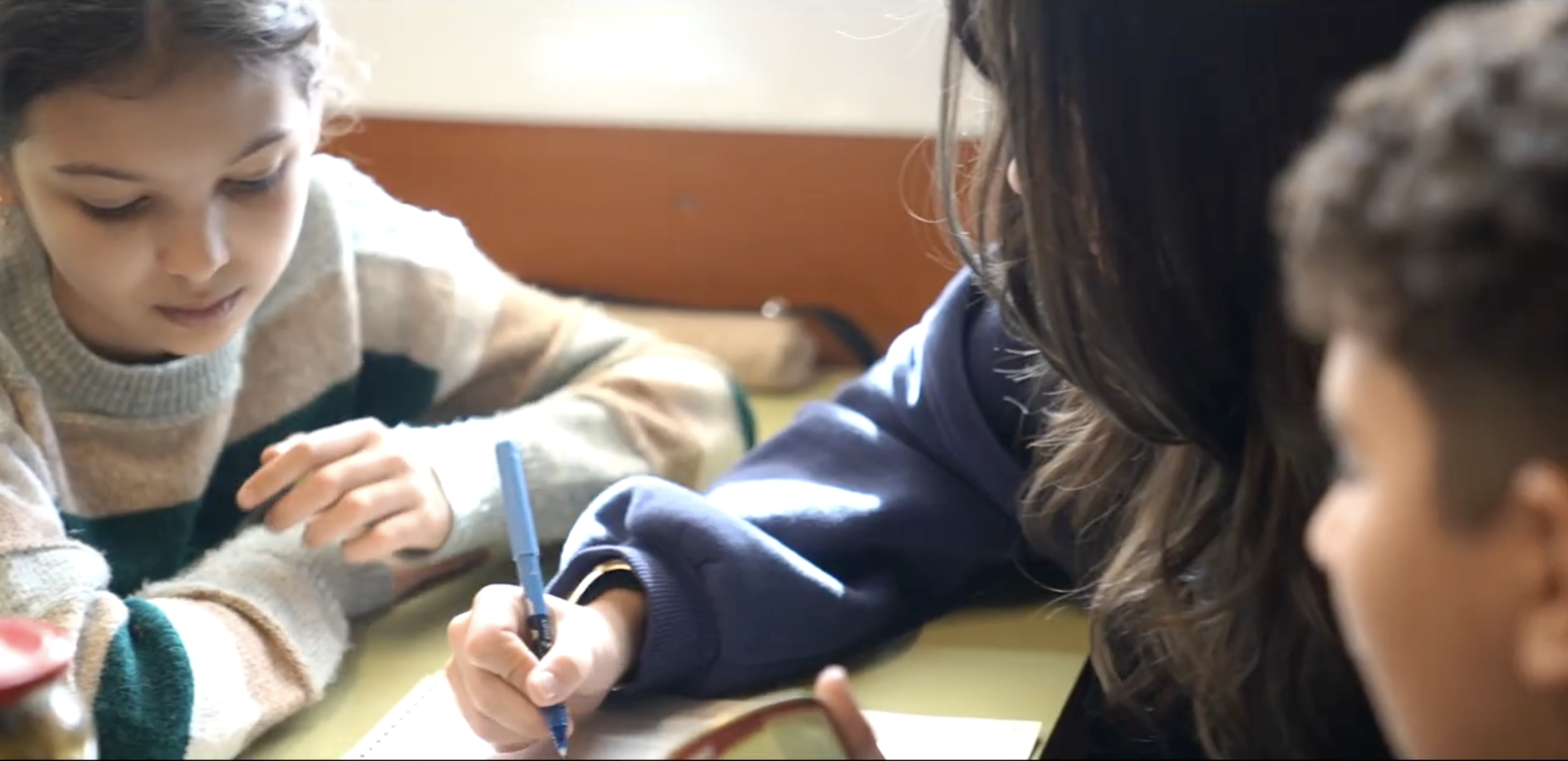
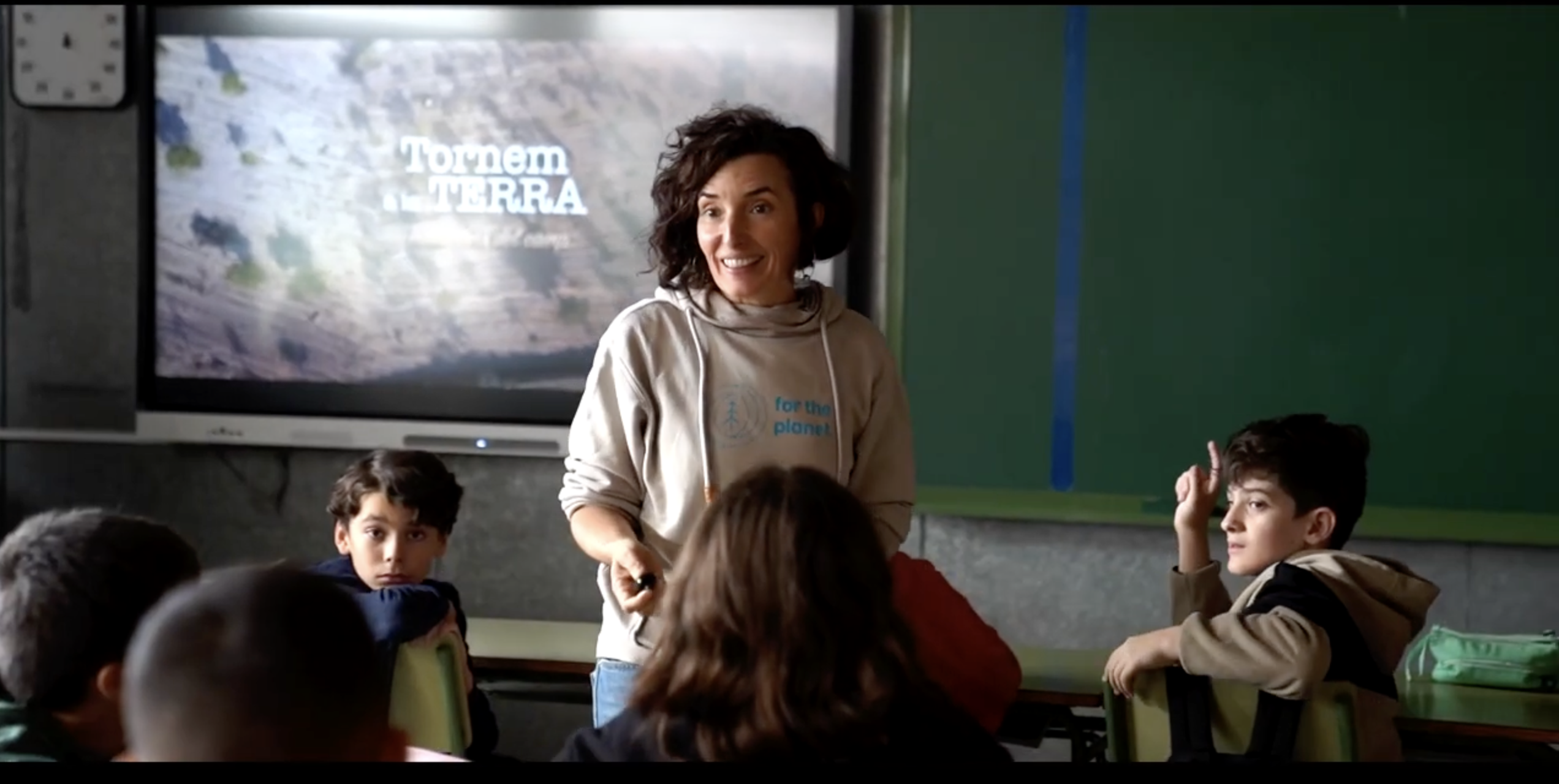
Harmony translates this archive into a tangible experience for secondary school students, viewing the classroom not merely as a place for instruction, but as a laboratory for reflection and reconnection. “We are not just teaching self-sufficiency and sustainability,” Harmony says. “We are creating a consciousness to understand what we truly need to live and where our resources originate. When a student truly realizes that the water they drink and the food they eat come from the same soil they walk on, their entire worldview shifts.”
The ethnoclips serve as the narrative thread for the educational guides that the NGO has delivered to every secondary school on the island, thanks to funding from the Ministry of Agriculture, Fisheries and the Natural Environment of the Balearic Government. In these workshops, students move from watching a rural woman on screen to reflecting on the origin of raw materials and the process of their transformation into food, objects, and artisanal goods. They are challenged to compare the impact of the industrial reality of the supermarket with that of products crafted by hand.
The Lesson of the Plastic Bag
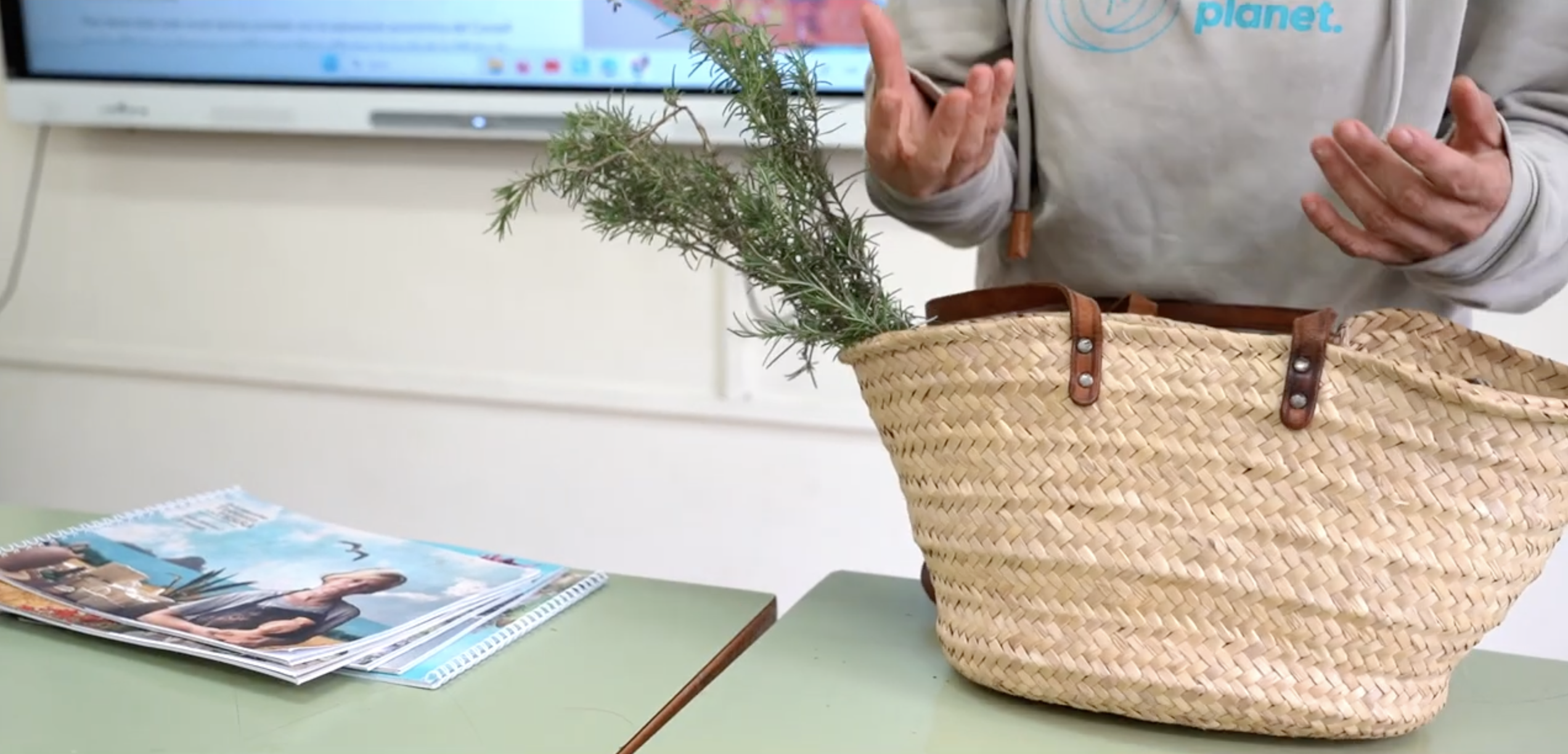
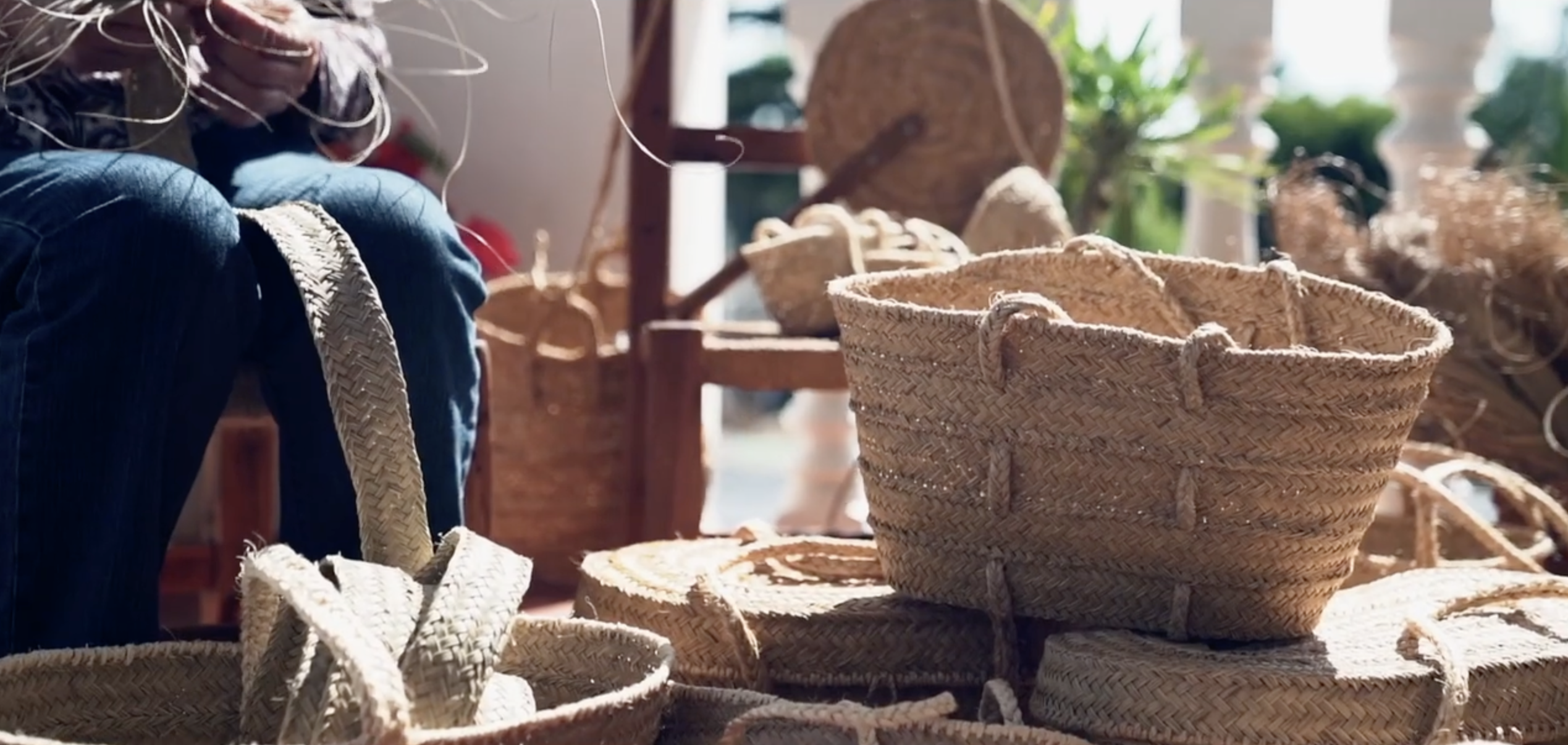
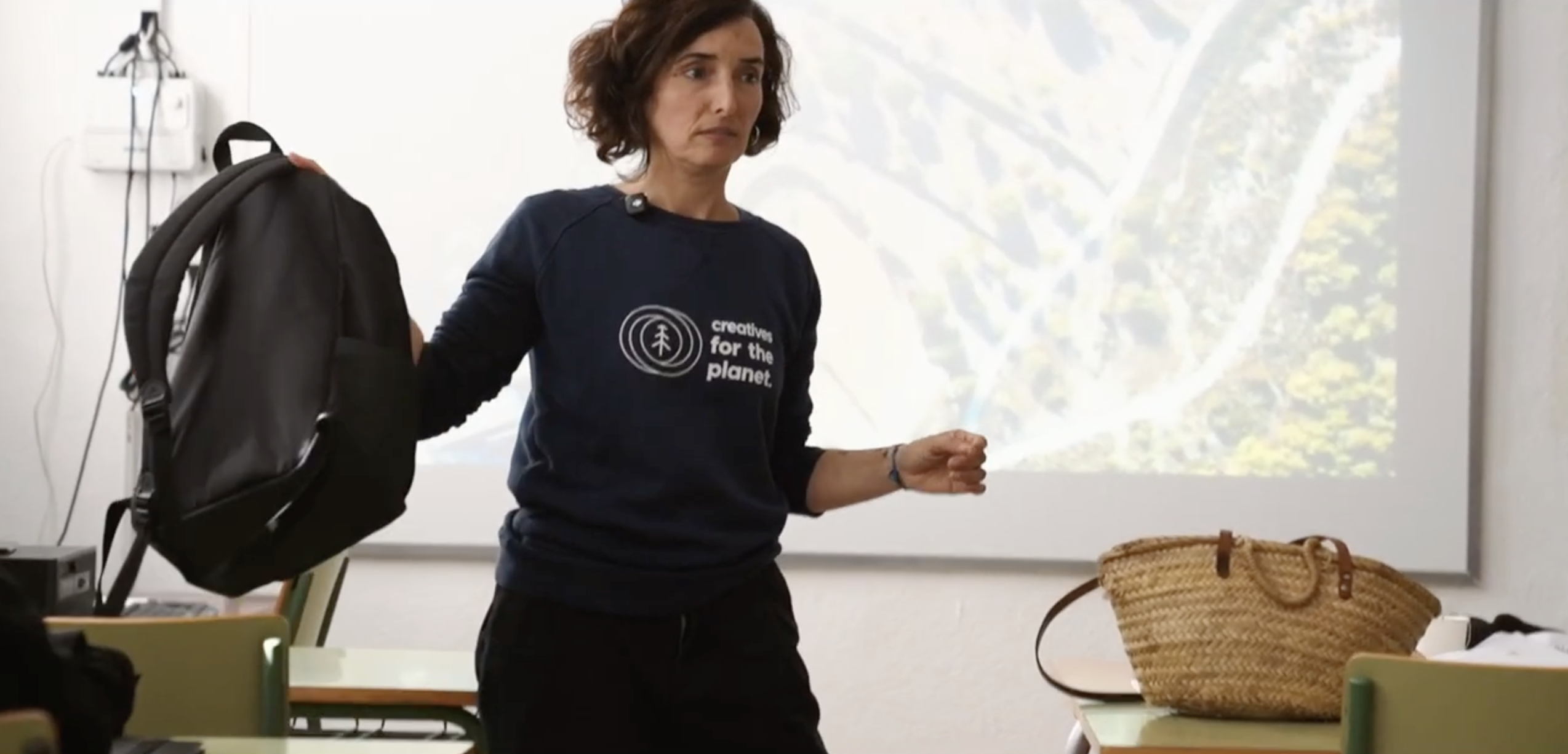
During the workshop, the contrast between these two worlds becomes palpable. Harmony stands before the students, holding a polyester backpack alongside a senalló, a traditional basket crafted from natural fibers. She does not limit the conversation to pollution; she speaks of durability and impact. While plastic disintegrates into micro-particles that never truly leave our environment, natural materials simply return to the earth.
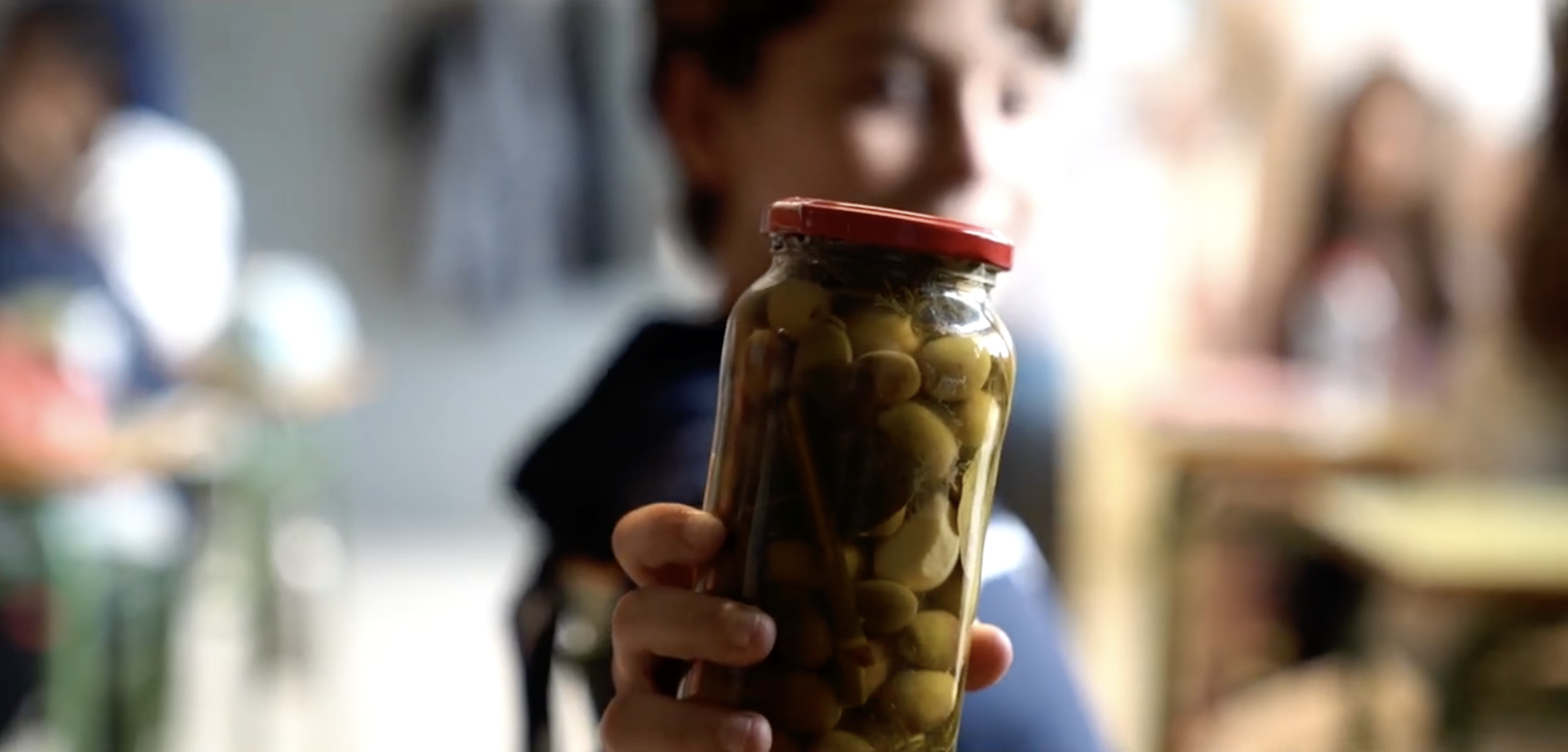
The workshop includes a practical exercise in which students are invited to complete charts comparing industrial products with those made at home. They analyze the miles traveled by the product, the costs, and the ingredients or materials listed on the labels of store-bought goods. One student, reflecting on the comparison, noted that making things at home means having more while spending less, all without damaging our own health or that of the planet.
The teachers at the centers observed that these learning situations are essential for confronting our current climate reality. By rooting students in their own cultural identity and territory, Harmony’s project transforms the abstract concept of environmentalism into something personal and local.
A Connection for the Future
As the workshop concludes, students depart with a new perspective on their environment and their history, understanding where things come from and where they go. The project succeeds because it does not treat the past as a museum piece, but as a map of knowledge within our reach for a more resilient future.
Harmony and Jorge do not merely show students how life was before supermarkets. They are demonstrating that the wisdom of the countryside is not a relic of the past, but a tool for a healthier tomorrow.
“Only through experience can we truly learn,” Harmony concludes. “And only through the knowledge of our environment can we truly love and care for it. We are linking these new generations to the earth, which is where life itself originates.”
Text: Sophia Brucklacher